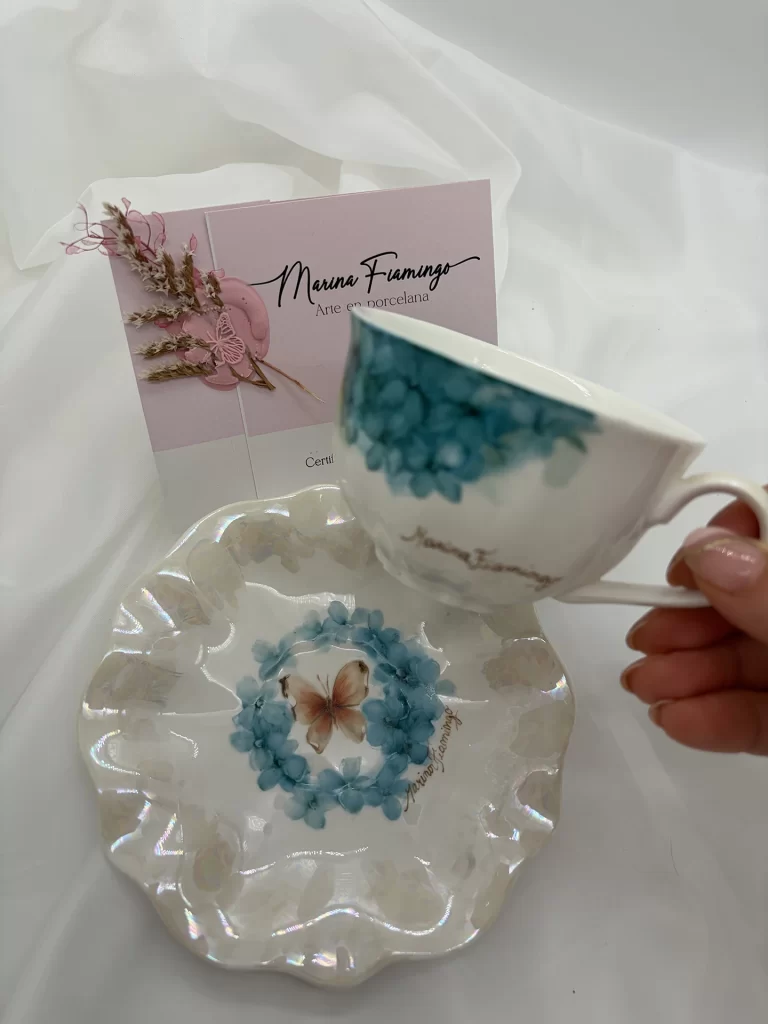
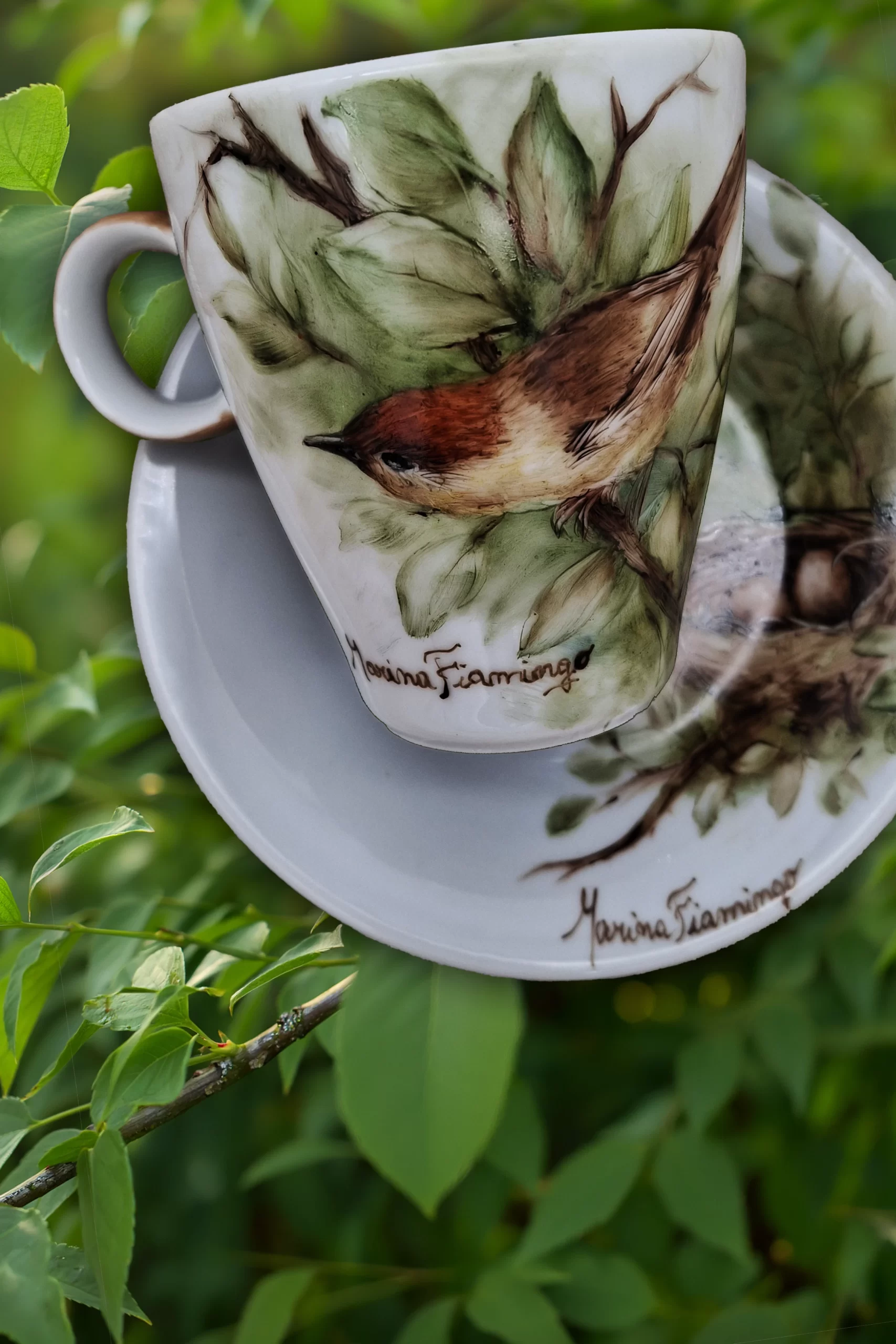
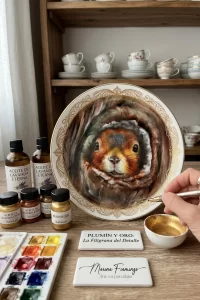
To achieve the level of detail required by porcelain painting, The first brush we must train is the eye. Clinical observation of reality allows us to understand how volumes are affected by the environment, a skill that is vital when working with techniques such as... oil painting in black and white

Author and creator.
To achieve the level of detail required by porcelain painting, The first brush we must train is the eye. Clinical observation of reality allows us to understand how volumes are affected by the environment, a skill that is vital when working with techniques such as... oil painting in black and white. Without careful observation, realism remains superficial; with it, we manage to capture the essence of what we are representing, whether it is the smoothness of skin or the hardness of a rock.
Inspiration often hides in the most unexpected places, frequently in what others would consider a mistake or an accident. As we saw in my work on the resilience and the strength of nature, A fracture in porcelain can be the starting point for a narrative of overcoming adversity. Observing imperfection with an artist's eye allows us to transform what is broken into beauty, understanding that each crack is an opportunity for something new and stronger to emerge, always guided by a clear intention.
Learning to observe also means learning to wait. In the studio, composition doesn't emerge immediately; it requires us to sit before the blank canvas and let the idea mature. This patience is the same I apply when working on the mastery of portraiture, where each feature must be observed from multiple angles before the brush touches the plate. Patient observation is what ensures that the final composition has balance, harmony, and, above all, a truth to communicate.
Finally, the art of observation has a profoundly healing and human component. When we observe with our hearts, as happened when painting the hands in the my mother's hug, The act of painting becomes a bridge to understanding. Observation allows us to forgive, accept, and celebrate the stories that surround us. At the end of the day, the porcelain is merely the medium; the true work of art is the new way we learn to see the world and those who inhabit it.
The use of the absolute black background was not a random aesthetic choice, but a narrative necessity to highlight the light emanating from the act of weaving. In the oil in mole, The dark background acts as a void that draws the details toward the viewer, giving the “perfect imperfection” of human hands a sacred prominence. By painting each strand of wool emerging from the darkness, I sought to symbolize how the recognition of love can illuminate even the coldest corners of our memory.
Find here the answers to the most frequently asked questions I receive about this work.
Looking is an automatic physiological act, while observing is a conscious process of analysis and emotional connection with the object. In porcelain painting, observing involves breaking down what we see into lights, shadows, and textures, allowing the brain to translate reality into technical brushstrokes before applying color.
The best way to train observation is to spend ten minutes a day studying an everyday object under different light sources. Observe how the reflections change on a fruit or how the shadows are projected on a fabric; this simple exercise develops the "clinical eye" needed to master complex techniques such as freehand realism.
When inspiration is scarce, the ideal thing to do is to return to the basic sources of observation: nature and the works of other masters. Don't try to create something perfect right away; just observe and make quick sketches. Often, the act of observing without the pressure to produce is what unlocks creativity and allows new ideas to emerge naturally.
Observation is vital for oil painting because this technique requires precise planning of tonal values from the beginning. As it is a material with body and texture, the artist must have observed and perfectly understood where the maximum light of the work resides, since the technique does not allow as many subsequent corrections as other more fluid media.
Join our Virtual Atelier and receive monthly reflections on the art of patience and exclusive oil painting techniques on mole.