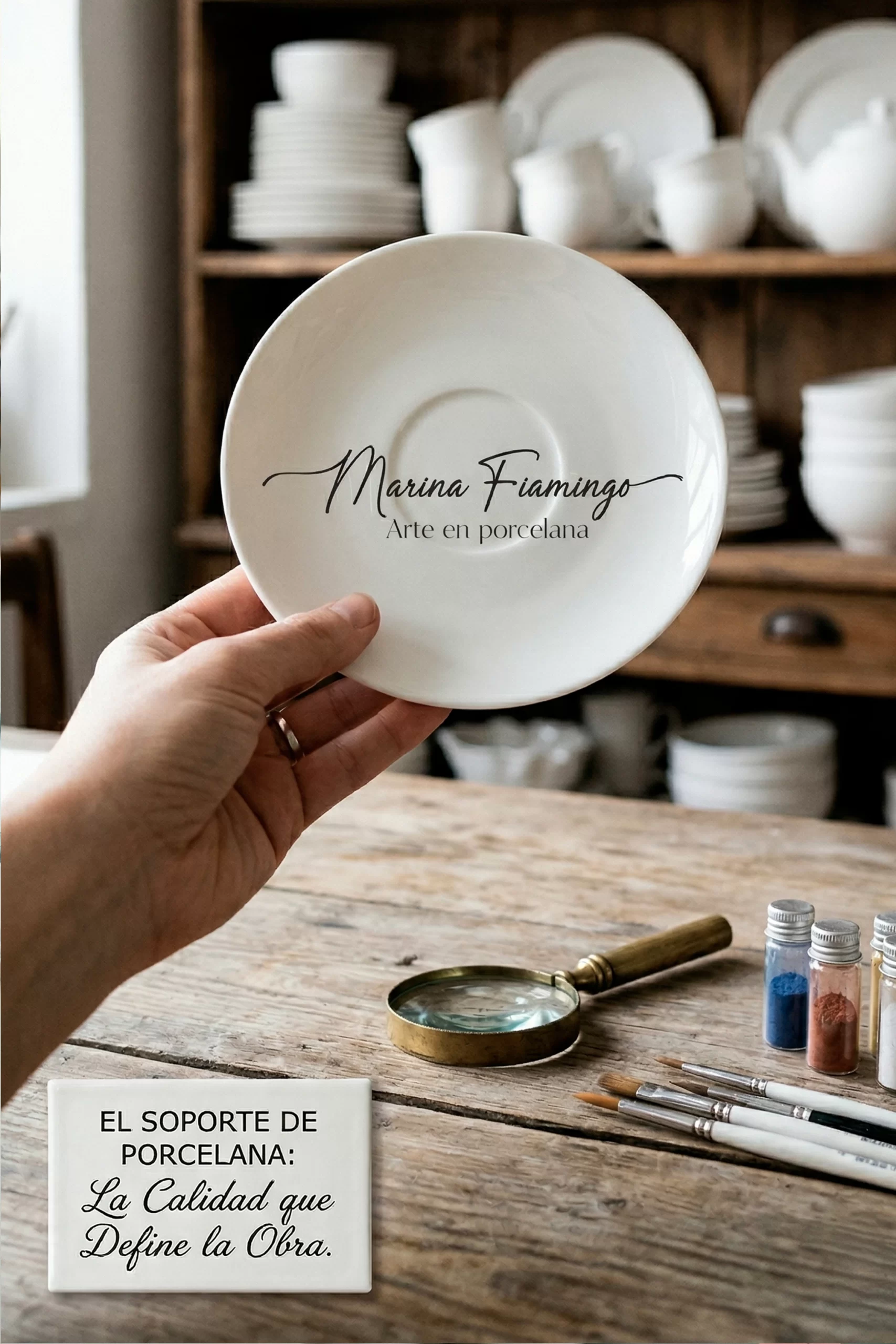
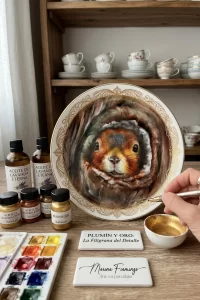
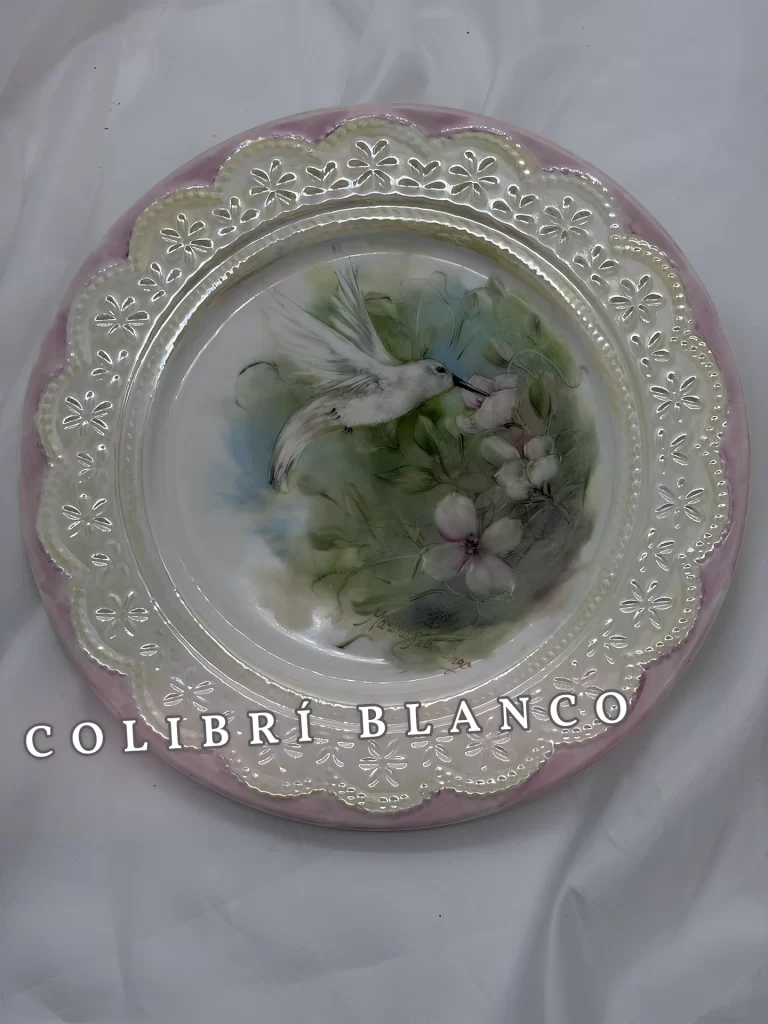
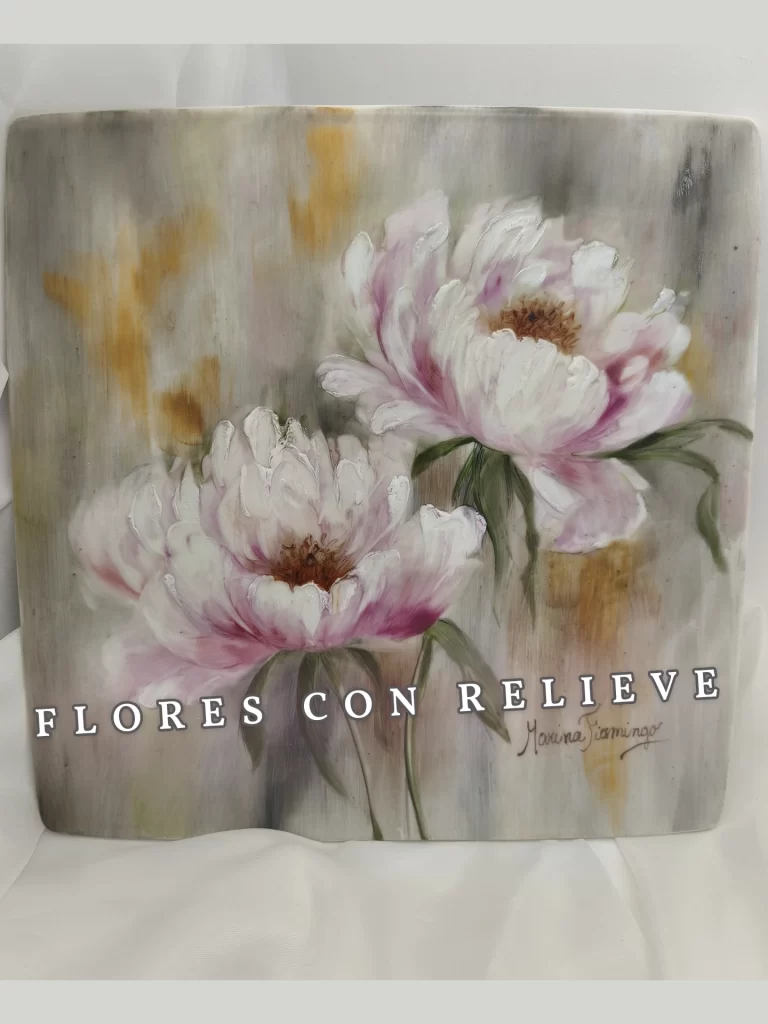
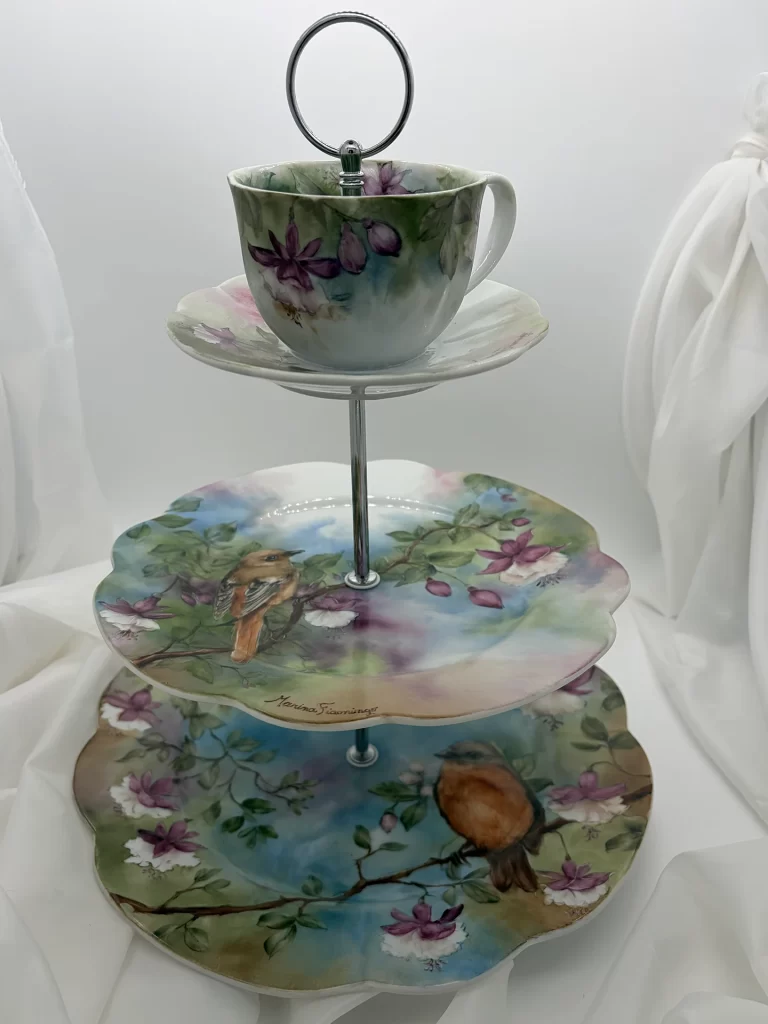
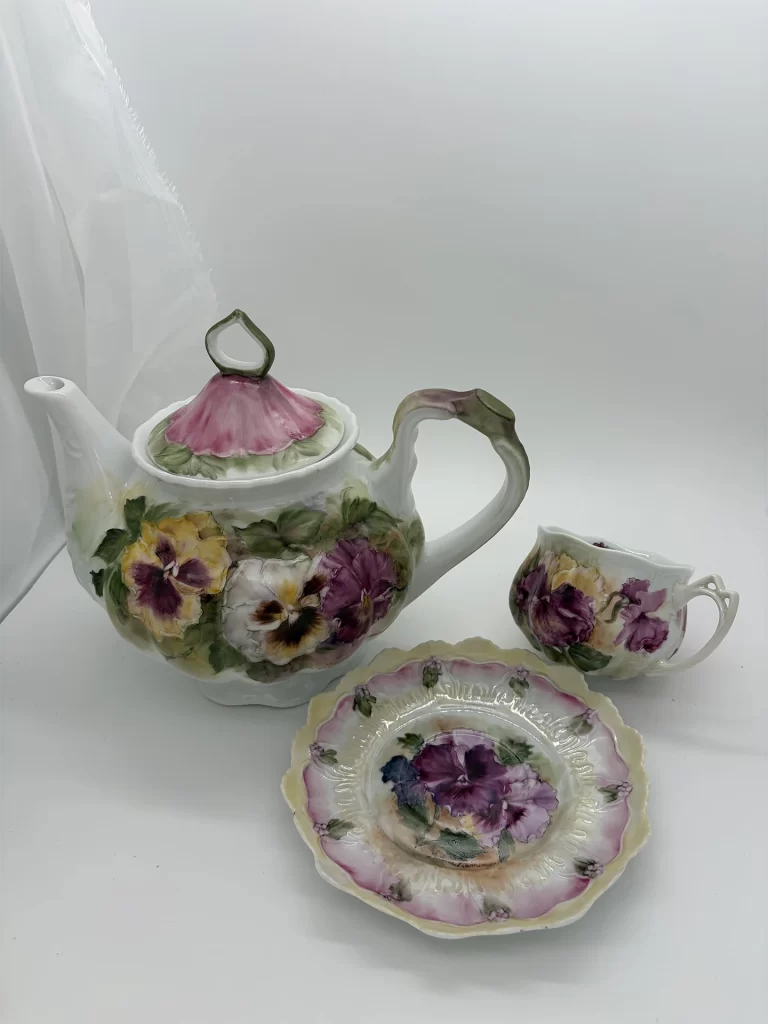
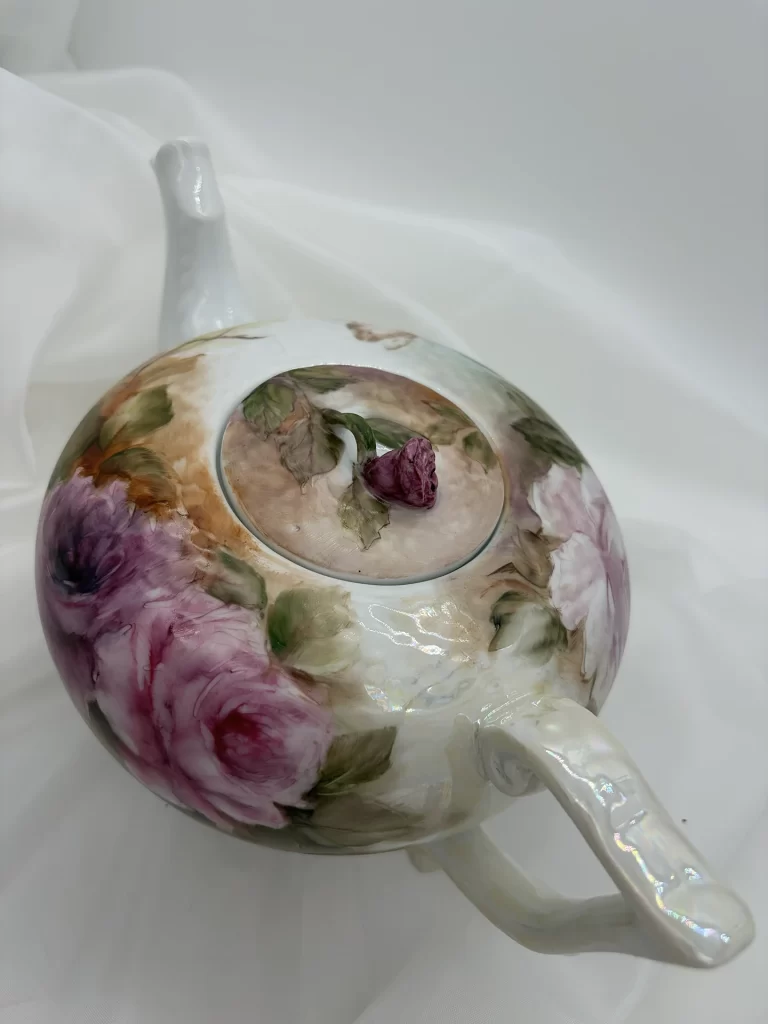
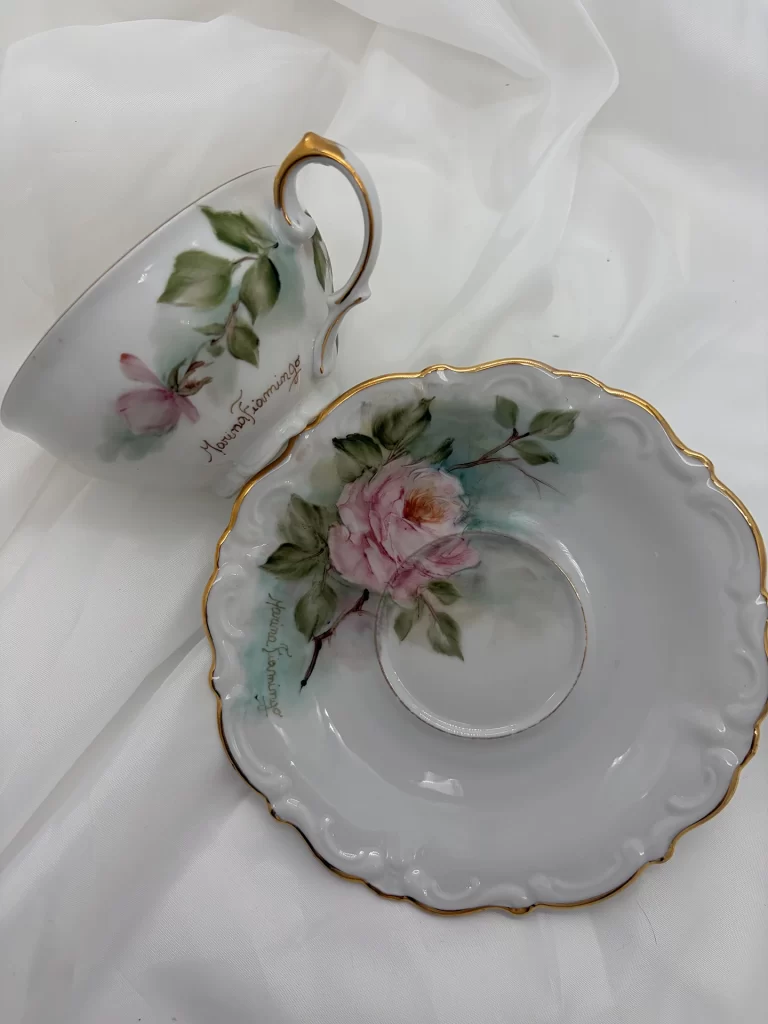
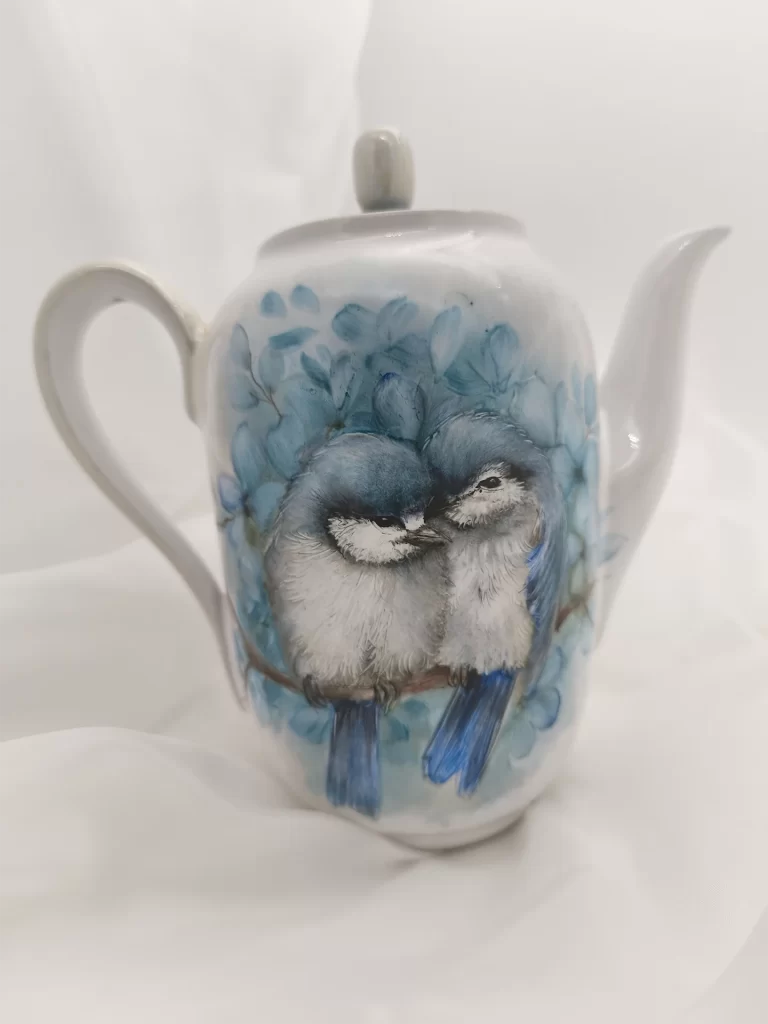
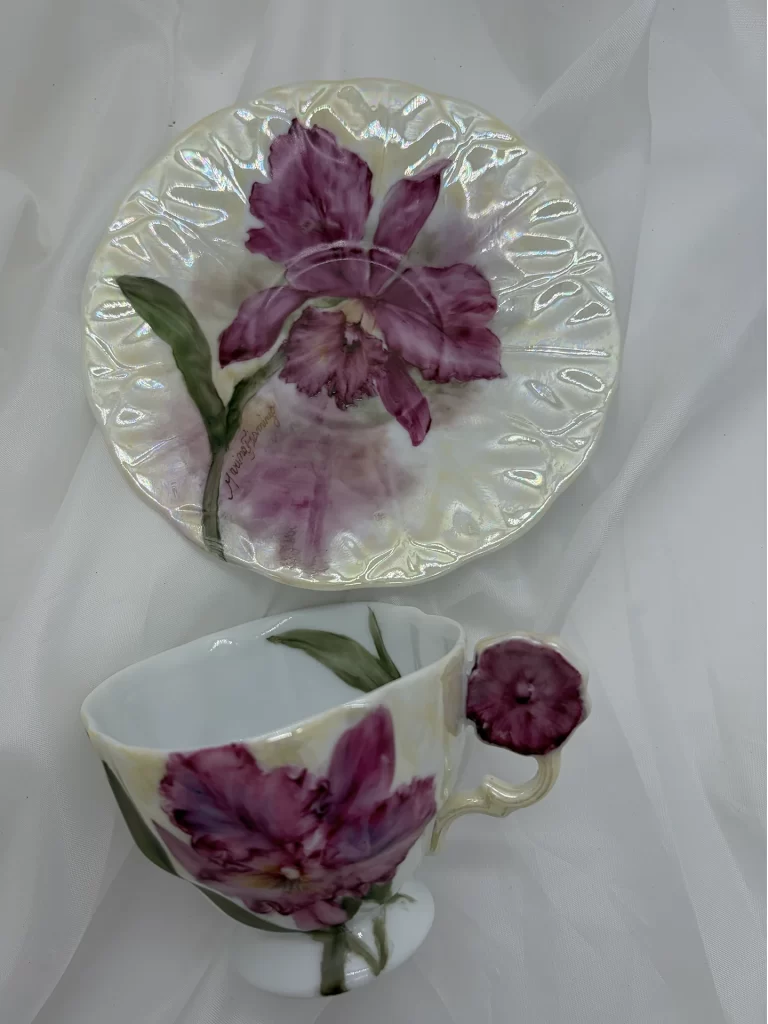
The quality that defines the work is born before the first stroke of gold touches the surface; we must choose the canvas: a porcelain whose purity and enamel guarantee that your talent not only shines, but remains eternal.
In the art of the third firing, the porcelain piece is not just a decorative object, it is the foundation upon which our entire technique rests. Not all porcelain is created equal, and learning to distinguish a high-quality piece is the first step toward mastery. The interaction between the glaze of the piece and our pure mineral pigments It will determine whether the color blends elegantly or remains opaque on the surface. At the Atelier, we choose each support with the same rigor with which we select our brushes, understanding that the nobility of the material is what allows art to transcend time. Choosing a suitable support is a strategic decision. Low-quality porcelain may have porosity or impurities invisible to the eye, but which the kiln's fire will reveal relentlessly. To achieve the fluidity that our oils and vehicles, We need a perfectly vitrified and smooth surface. Porcelain should be our ally, allowing the brush to glide effortlessly, facilitating the flow we seek in each freehand painting session.
Whiteness and Translucency: The Standard of Excellence
When applying the discipline of observation Technically, the first thing we look for is absolute whiteness and translucency. Fine porcelain, when held up to the light, should allow a soft and uniform light to pass through. This purity of the material is what guarantees that the colors will not be altered after firing. If the support has a grayish or yellowish tone, it will reduce the luminosity of the work, especially affecting portraits and realist pieces where light is the true protagonist of the painting.
The Enamel: The Stage Where the Magic Happens
The secret of a great piece lies in its glaze. This vitreous layer is what will receive our paint and protect it forever. A high-quality glaze has superior hardness and a balanced surface tension that prevents the oil from "opening up" uncontrollably. It is on this surface that the mastery of realism It comes to life; if the glaze is defective, the paint can peel or bubble. That's why, in our workshop, we only work with pieces whose industrial manufacturing process guarantees perfect vitrification at high temperatures.
Fire and Multiple Burn Resistance
A work by an artist is rarely finished in a single firing; it often requires three, four, or more firings to achieve the desired depth. This is where the quality of the support is truly tested. Mediocre porcelain can suffer thermal fatigue, developing cracks or hairline after several firings. In contrast, a piece of structural excellence withstands temperature fluctuations gracefully, allowing us to work layer upon layer of oil in mole until reaching that vitrified resilience that characterizes our collection.
An Investment in the Perpetuity of the Work
Choosing the finest porcelain available is an act of respect for ourselves as artists and for those who value our work. You cannot build something eternal on a fragile foundation. By selecting supports from renowned brands or prestigious origins (such as Limoges porcelain or certain elite European factories), we are ensuring that every hour invested in the detail of a gaze or the filigree of a golden brush Make it a safe investment. The quality of the support is what transforms a simple ceramic piece into a cultural heritage that will shine intact for centuries.
FAQs about the Porcelain Stand
Find here the answers to the most frequently asked questions I receive about this publication.
What is the difference between regular ceramics and porcelain for painting?
Porcelain is a fine-paste, white, translucent ceramic that is fired at much higher temperatures than ordinary ceramics, giving it almost zero hardness and porosity. This superior vitrification is what allows the pigments from the third firing to blend perfectly with the glaze, achieving a professional and durable finish that conventional ceramics, which are more porous and opaque, cannot offer.
Is it possible to paint on porcelain that already has industrial decorations?
Yes, you can paint over industrially decorated pieces, but keep in mind that the original colors may react with the new pigments during firing. At Marina Fiamingo's Atelier, we prefer to work on "virgin white" to have total control over the color palette and prevent the previous design from interfering with the aesthetics of realism or the purity of precious metals.
How can I tell if a piece of porcelain is suitable for an 800°C oven?
The best way is to check that the piece is marked as "porcelain" and not as "stoneware" or earthenware, and that it does not have cracks or previous repairs. A simple home test for quality is the sound: when gently struck with a metal object, high-quality porcelain should produce a high-pitched, prolonged sound, similar to that of a bell, indicating a dense, seamless internal structure.
Why do some pieces of porcelain "pop" or explode in the kiln?
This usually occurs due to the presence of internal air bubbles, moisture trapped in the support, or uneven thermal expansion between the body of the piece and the glaze. Using high-quality supports minimizes these risks, as their industrial manufacturing guarantees uniform density. However, it is always vital to follow a slow heating and cooling curve so that the part can breathe and adapt to the heat without stress.
Display currency was reset to the store default because the selected currency would show amounts as zero. Please update the exchange rate and Number of Decimals in Multi Currency settings.