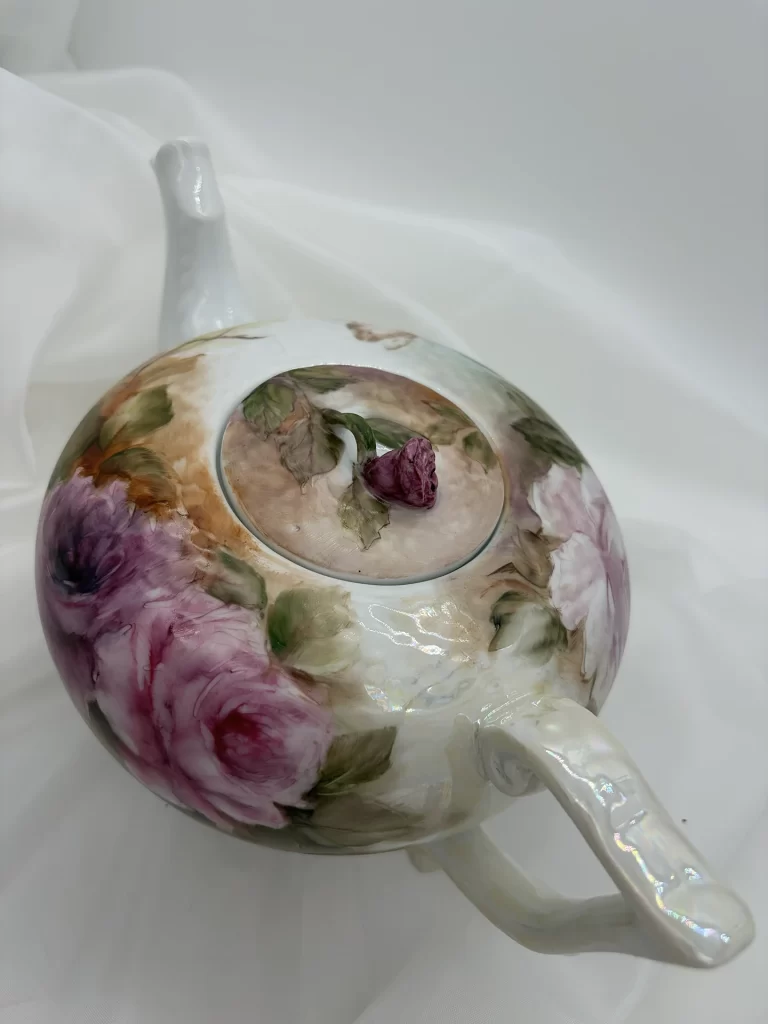
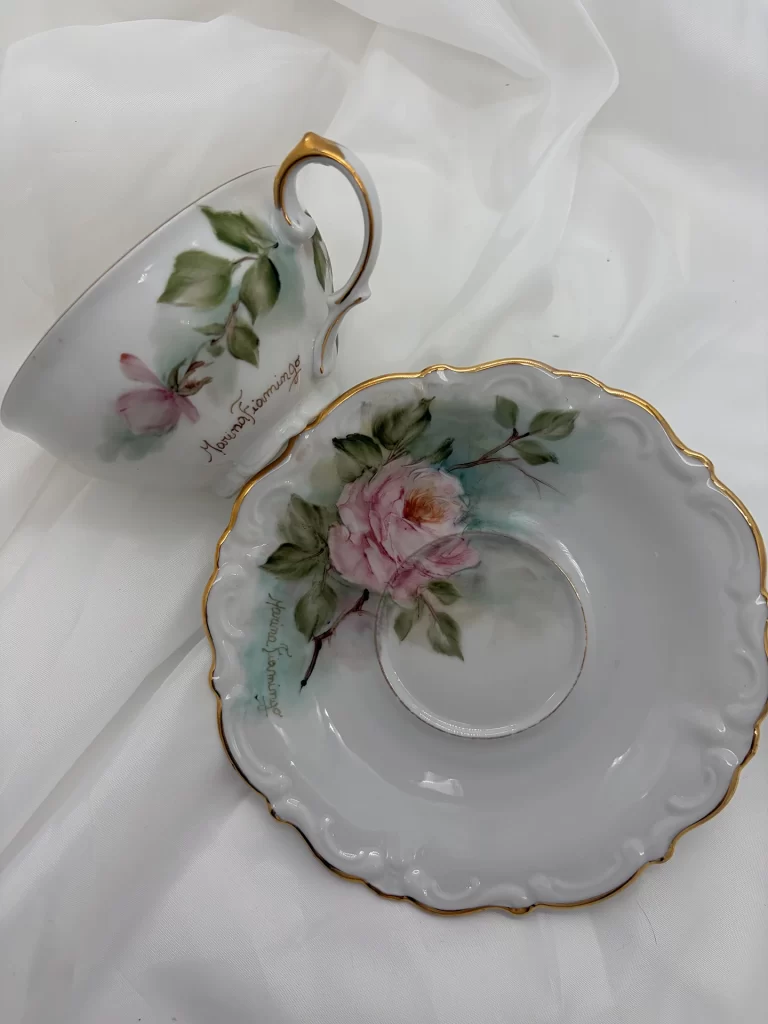
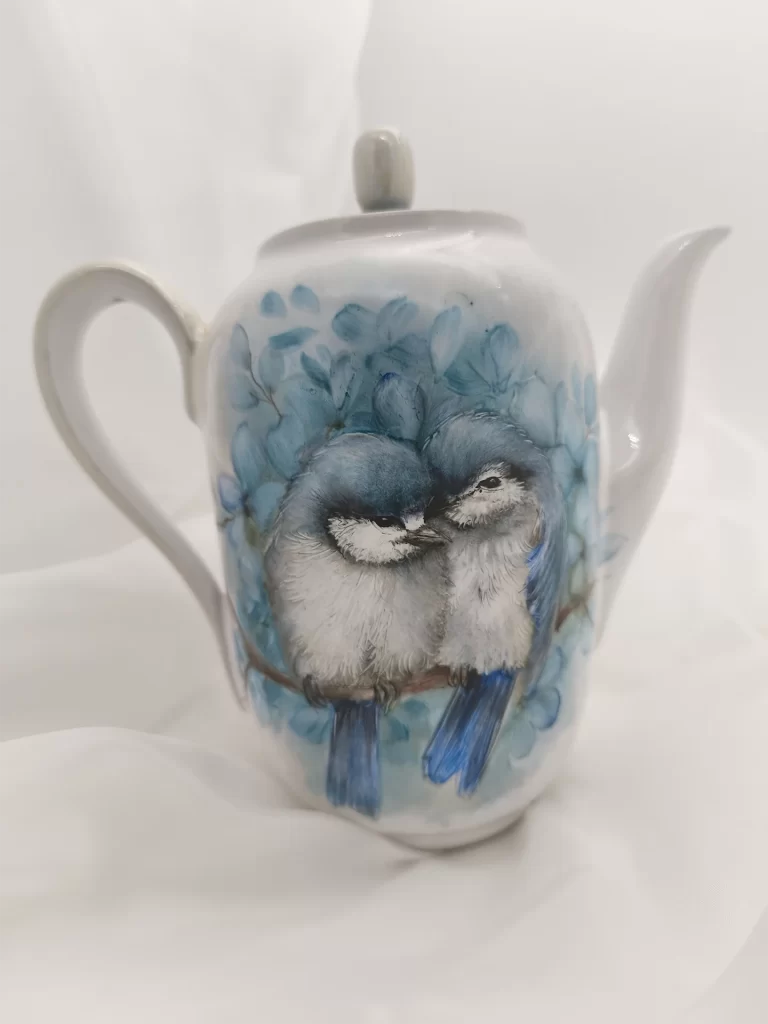
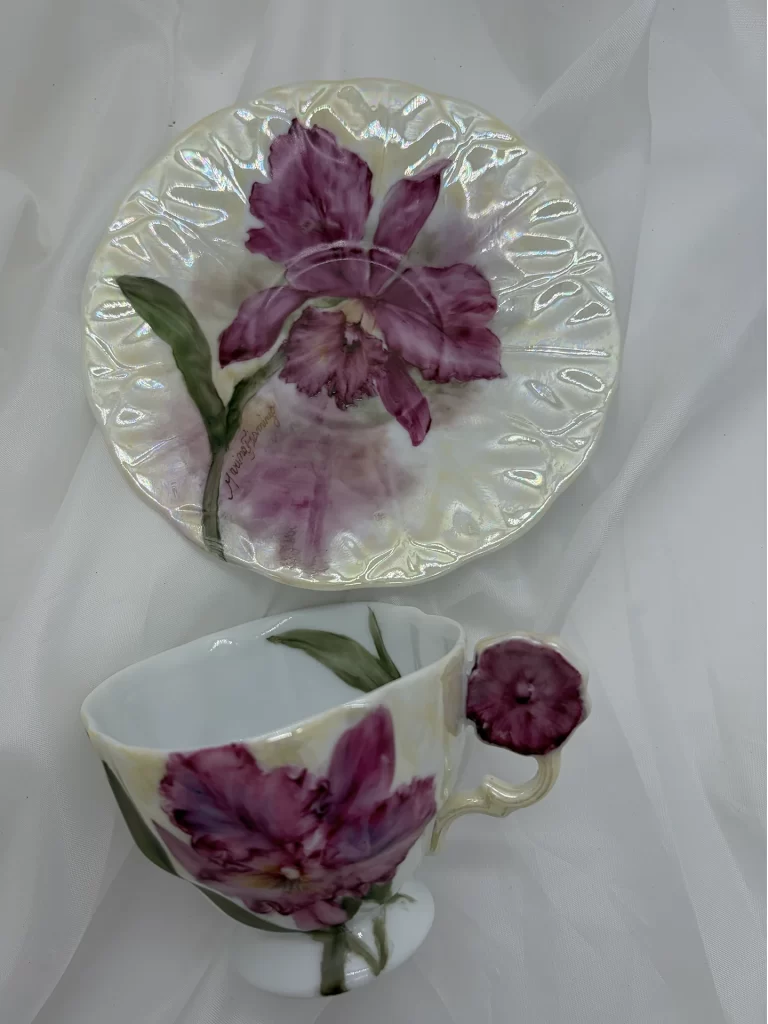
We will study the secret of fluidity to understand how mastering mediums and oils transforms the viscosity of the pigment, allowing you to paint with the freedom and precision your work deserves.
In porcelain painting, oil is the vehicle that carries the soul of the color; without the proper medium, the pigment is just inert powder. The relationship between the artist and their work is mediated by the fluidity of the brushstroke, and that fluidity depends entirely on the chosen medium. Whether you seek the freshness of a portrait that seems to breathe or the tactile density of a rough texture, understanding the chemistry of oils is what allows you to stop struggling with the material and start creating with it. In this article, we'll break down the liquid tools that make technical mastery possible in the studio. The medium not only serves to "wet" the pigment, but also determines its working time and adhesion before firing. When mixing your mineral pigments With the right oil, you create a paste that should be pliable enough for the brush but stable enough not to drip. This interaction is the foundation of everything we teach: learning to "feel" the oil's resistance is the first step to mastering the technique and ensuring that each brushstroke lands exactly where your eye intended.
Open Oil: The Ally of Softness and Time
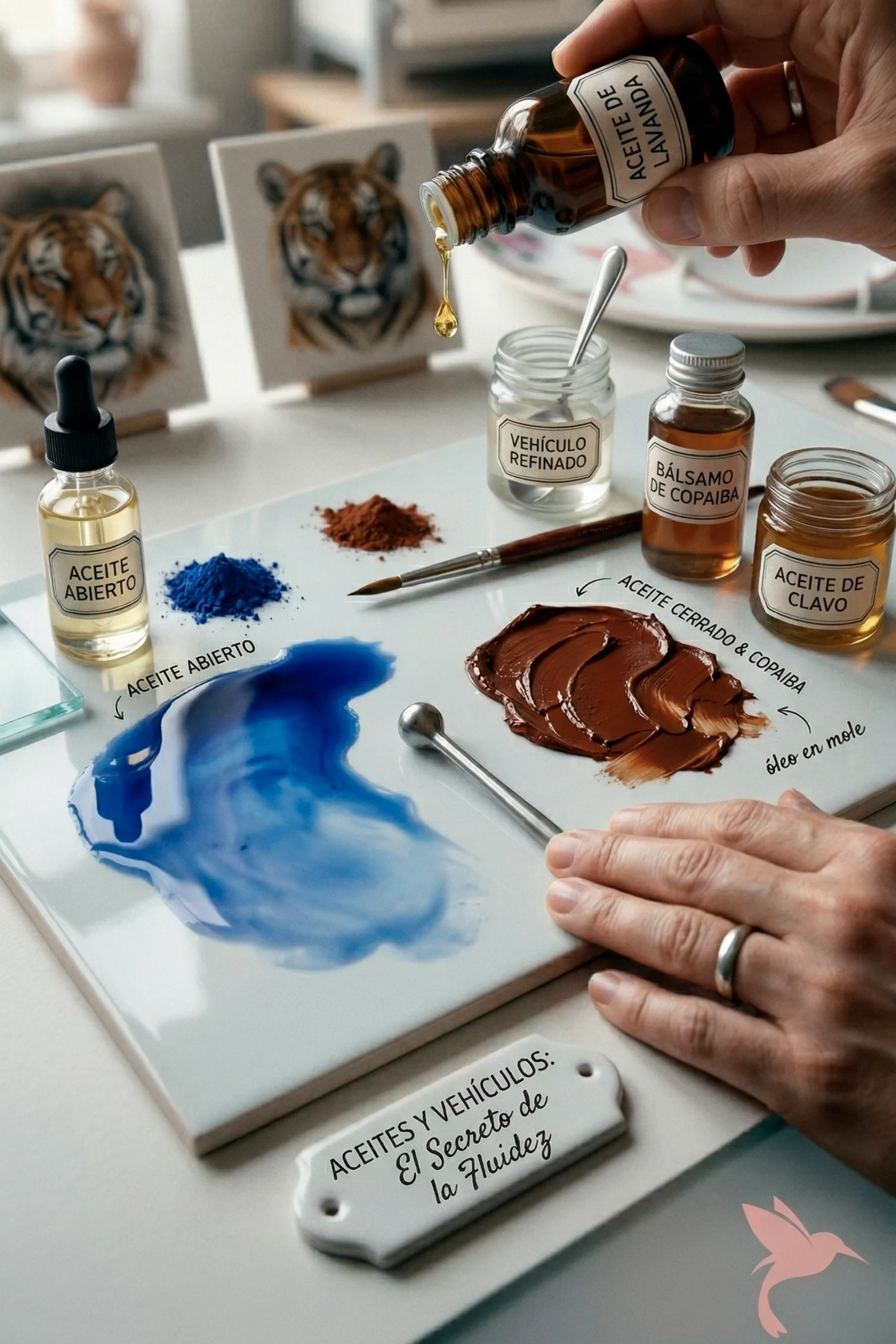
When working on portraits or large blended effects, "Open Oil" is our best ally. Its main characteristic is that it doesn't air dry, giving us almost unlimited working time to blend colors and create seamless transitions. It's the indispensable medium for achieving the skin softness in a child, allowing you to go over the stroke again and again until you achieve perfection. With the oil open, the rush disappears and observation becomes the only rhythm that matters.
Closed Oil and Copaiba: Precision and Texture
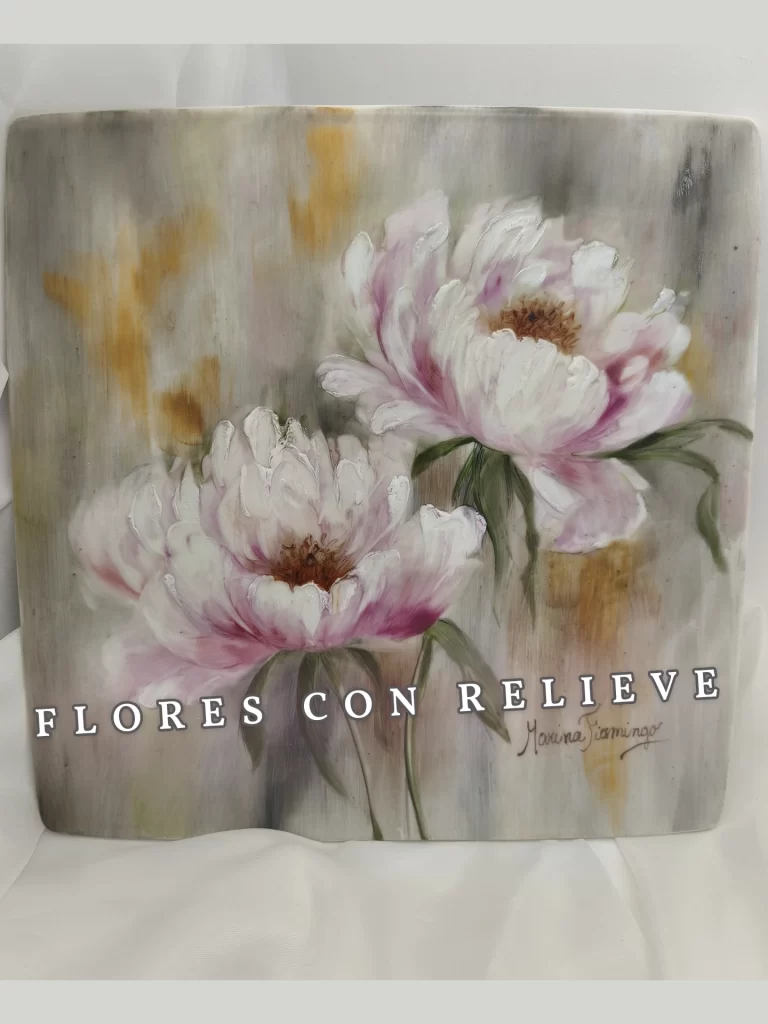
For techniques requiring immediate definition or layering without the base shifting, we use "closed" or resinous oils, such as copaiba balsam. These oils dry faster and have a viscosity that allows the pigment to adhere more firmly. They are essential for the technique of oil in mole, where we seek to create reliefs and textures with character. The sealed oil is what gives us the assurance that the minute detail of a tab or the vein of a leaf will not be lost in the next movement.
The Alchemy of Mixing: Achieving the Perfect Point
Mastering the use of carrier oils lies in knowing how to combine essential oils (like lavender or clove) with base oils to adjust the density to your personal preference. The "golden drop" of a good essential oil not only enhances the aroma of the studio but also modifies the surface tension of the mixture, allowing the brush to glide effortlessly. Finding your own blending recipe is part of the process. artist's discipline, an experimentation process that transforms a simple technical task into a ritual of preparation for excellence.
Chemical Integrity and Burning Safety
Finally, the use of high-quality oils ensures that, during firing, the vehicles evaporate cleanly without leaving residues that dull the porcelain's brilliance. An unsuitable oil can create bubbles or stains that ruin hours of dedicated work. At the Atelier, we prioritize refined vehicles that respect the purity of the pigments and the integrity of the piece. Using the optimal media is a statement of principle: it's choosing the assurance that your artistic vision will survive the fire with all the intensity and brilliance you envisioned.
FAQs about Oils and Vehicles
Find here the answers to the most frequently asked questions I receive about this publication.
What is the main difference between open oil and closed oil?
The fundamental difference lies in the drying time and viscosity: open oil does not dry in the air, allowing colors to be blended indefinitely, while closed oil dries faster and offers greater fixation. Open oil is ideal for realism and portraits, while closed oil is preferred for defined strokes, nib or relief techniques where the paint needs to "stay still".
Can I mix open oil with sealed oil in the same part?
Yes, they can be used in the same piece, but generally at different stages or for specific purposes, always ensuring that they are chemically compatible. Many artists use a closed oil base for background details and reserve open oil for softer areas. The key is understanding how each behaves to prevent one from displacing the other before firing.
What is lavender or clove oil used for in painting?
These essential oils are used as natural thinners and retarders that improve the flow and aroma of the paint mixture. Lavender oil helps the pigment flow more smoothly, and clove oil can further slow drying in certain mediums. These are the "secret touch" for adjusting the paste's consistency according to the weather or the artist's preferred texture in each session.
How does the climate influence the behavior of oils in the workshop?
Heat and humidity can slightly alter the viscosity of oils; heat usually makes them more fluid and cold makes them denser. A skilled artist observes these changes and adjusts their mixture by adding an extra drop of medium or thinner as needed. Maintaining a stable studio temperature helps the materials behave predictably, facilitating technical mastery.
Display currency was reset to the store default because the selected currency would show amounts as zero. Please update the exchange rate and Number of Decimals in Multi Currency settings.