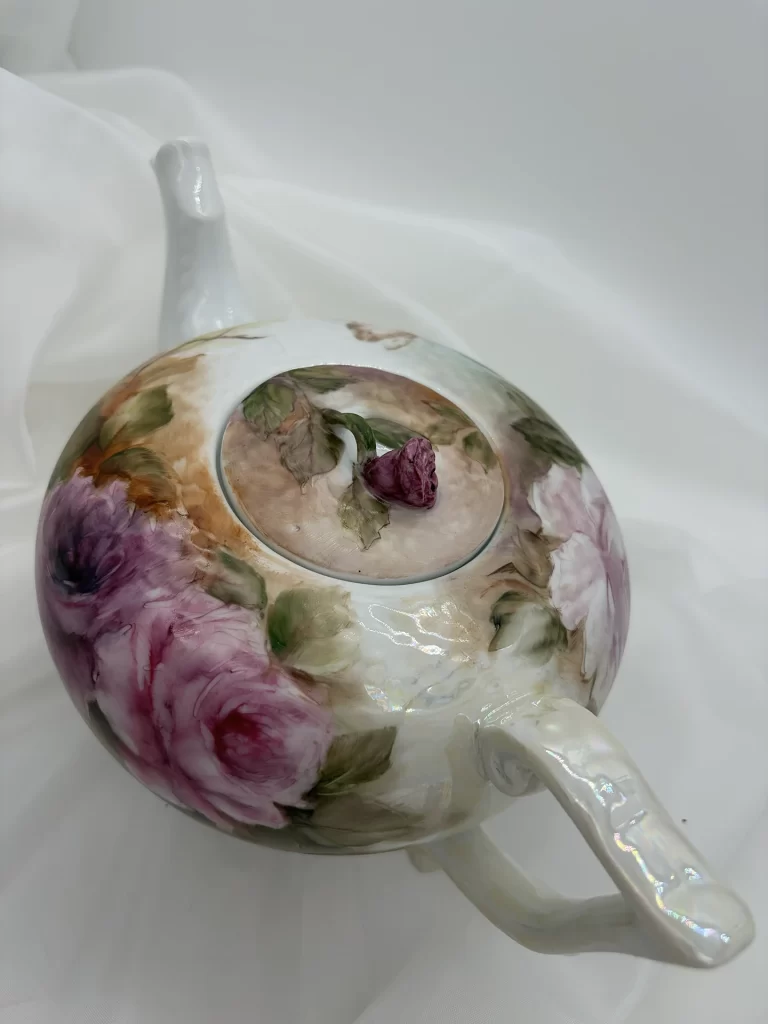
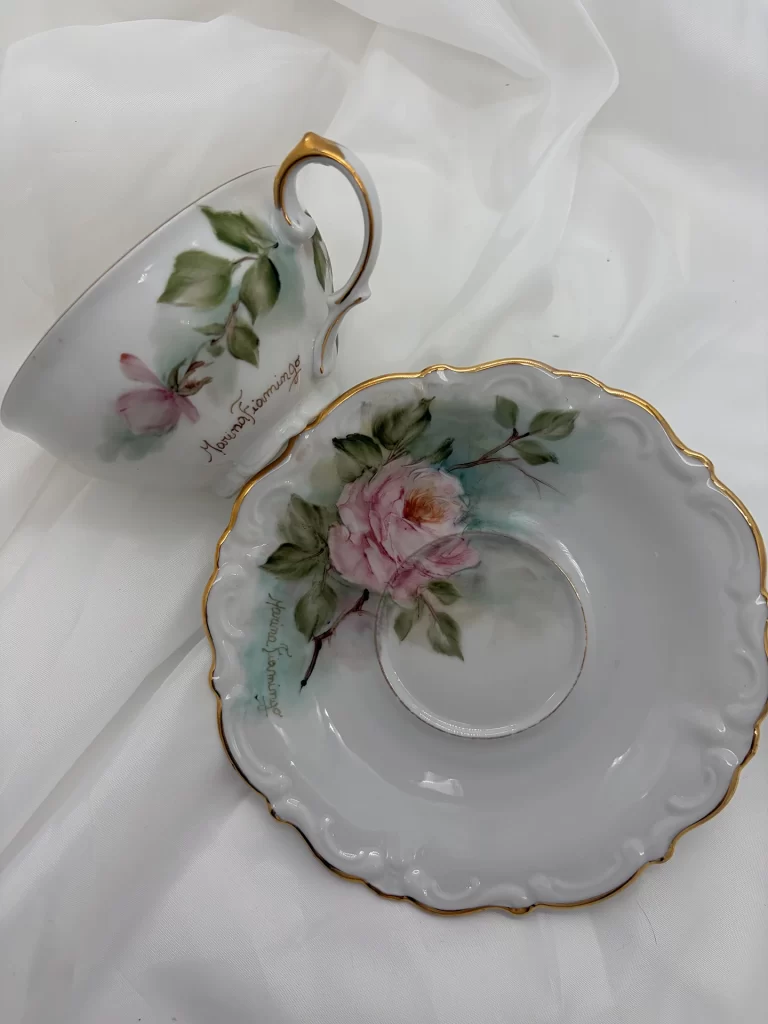
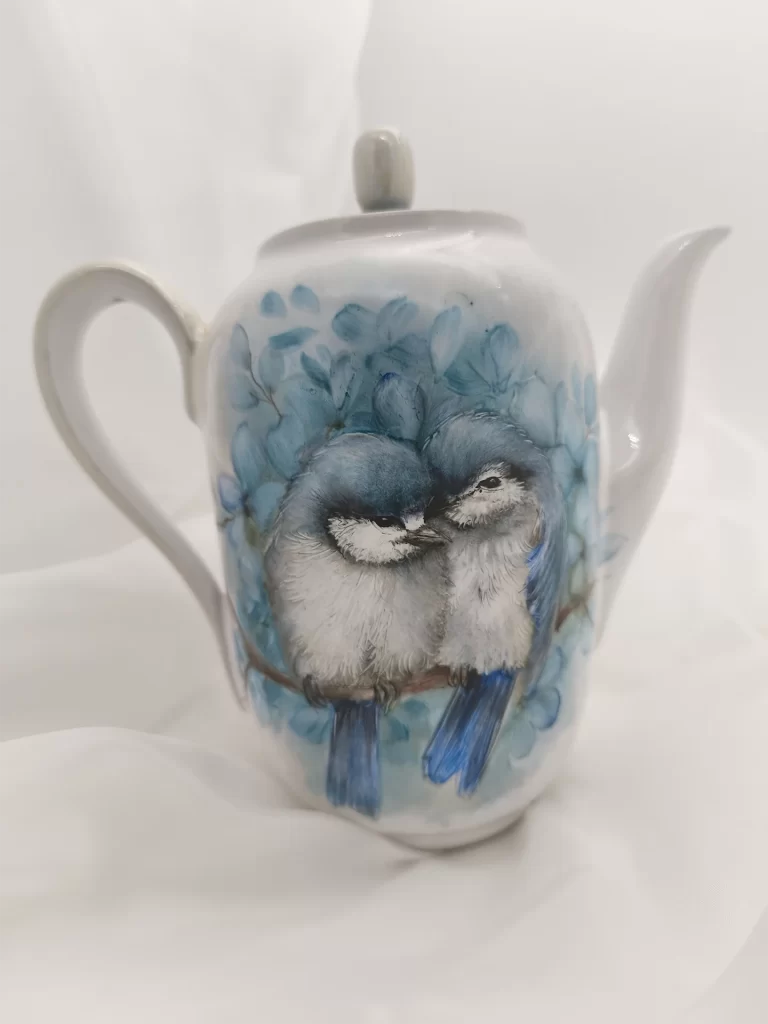
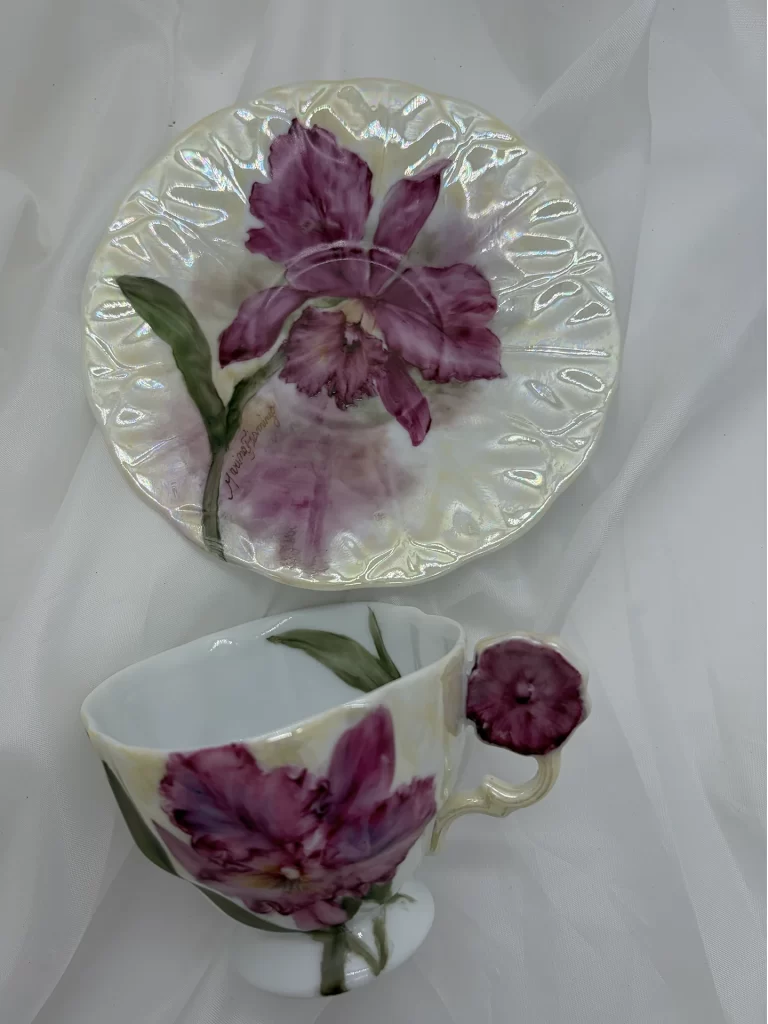
Let's explore the secret of durability and color by understanding how the choice of high-purity pigments defines the intensity, brilliance, and permanence of your artwork over the years.
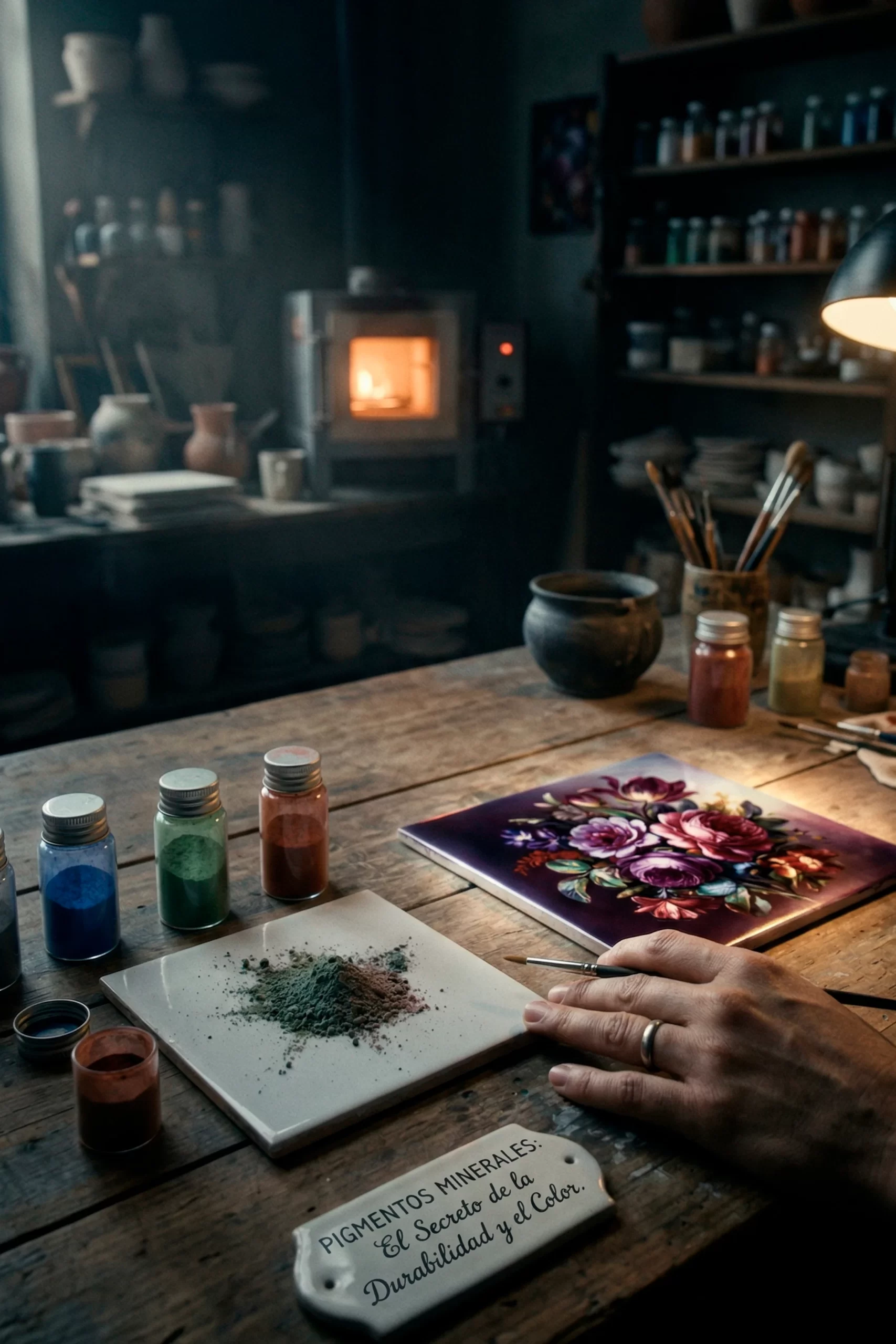
Painting on porcelain means working with elements that must withstand the test of fire and time. Unlike other paints, the pigments we use in the Atelier are high-quality powdered minerals that, when subjected to high temperatures, fuse with the glaze of the piece. The choice of these pigments is not a minor detail; it is the foundation of excellence. A pure pigment not only guarantees vibrant colors and smooth transitions in techniques such as oil in mole, but rather ensures that the artwork retains its essence intact after each firing. Porcelain pigments are metallic oxides that react with heat to reveal their true hue. When observing a pigment before firing, we often see a dull color that only comes to life inside the kiln. That is why the discipline of observation Technique is vital: we must know the origin and composition of each powder. Working with top-of-the-line materials allows the artist to have total control over saturation, avoiding unpleasant surprises and guaranteeing a professional palette.
Purity vs. Additives in Paint
In high-end painting, the purity of the mineral is what distinguishes a decorative piece from a work of art. Many commercial pigments contain fillers that dull the final result or hinder freehand application. In our workshop, we prioritize pigments with extra-fine grinding that allows for a homogeneous blend with the oils. This fineness facilitates the creation of imperceptible glazes and minute details, allowing the brush to glide smoothly without encountering lumps or resistance.
The Interaction of Pigment with Fire
The vitrification process is where the quality of the material is put to the test. A good mineral pigment must have a melting point compatible with the porcelain glaze to prevent it from "burning" or losing intensity. When looking for the mastery of realism, Understanding how each color reacts to 780°C or 800°C is fundamental. Reds and purples, for example, are the most sensitive; only the highest quality pigments manage to retain their elegance and depth after being exposed to extreme heat.
Mixing and Preparation: The Role of Oils
The powdered pigment is only half the story; the other half is the vehicle that carries it. How we blend these minerals with specific oils determines the paint's workability. Whether you're looking for the texture of the oil in mole Or, in the transparency of the open oil, the quality of the pigment allows the mixture to be stable and not altered over time. An optimal material is one that responds to the artist's hand, allowing for extended working times before firing.
An Investment in the Perpetuity of the Work
Choosing quality materials is ultimately an act of respect for the craft itself and for the collector. A piece made with select mineral pigments will not fade in sunlight or deteriorate with use. At the end of the process, our goal is for the captured beauty to be timeless. I invite you to learn more about these materials in our showroom, where every tool is carefully chosen to allow your talent to shine with the intensity and durability that only true artisan porcelain can offer.
FAQs about Mineral Pigments
Find here the answers to the most frequently asked questions I receive about this publication.
Porcelain pigments are compounds of finely ground metal oxides and fluxes that vitrify when baked. Unlike synthetic pigments used in other arts, these are designed to withstand temperatures up to 850°C, chemically fusing with the porcelain glaze to achieve a permanent and unalterable finish.
Can pigments from different brands be mixed?
Yes, they can be mixed, as long as their burning temperature ranges are compatible to avoid unwanted chemical reactions. However, at Marina Fiamingo's Atelier we recommend using consistent lines of high purity to ensure that the texture and intensity of the color remain uniform across the entire surface of the work, especially in realism works.
Why do some colors change so much after coming out of the oven?
The color change is due to the chemical reaction of the metal oxides with the heat and the components of the enamel. Colors like gold (which appears brown before burning) or certain blues require prior technical observation. Understanding this behavior is part of the technical mastery we teach, ensuring the final result matches the original artistic vision.
How does the quality of the pigment influence the cost of a work of art?
The quality of the pigment directly influences the cost due to the rarity of the minerals (such as cobalt or gold) and the refined grinding process. Using optimal materials ensures a saturation that requires fewer layers of paint and fewer firings, resulting in a final piece of greater artistic value, superior shine, and guaranteed durability for centuries.
Display currency was reset to the store default because the selected currency would show amounts as zero. Please update the exchange rate and Number of Decimals in Multi Currency settings.