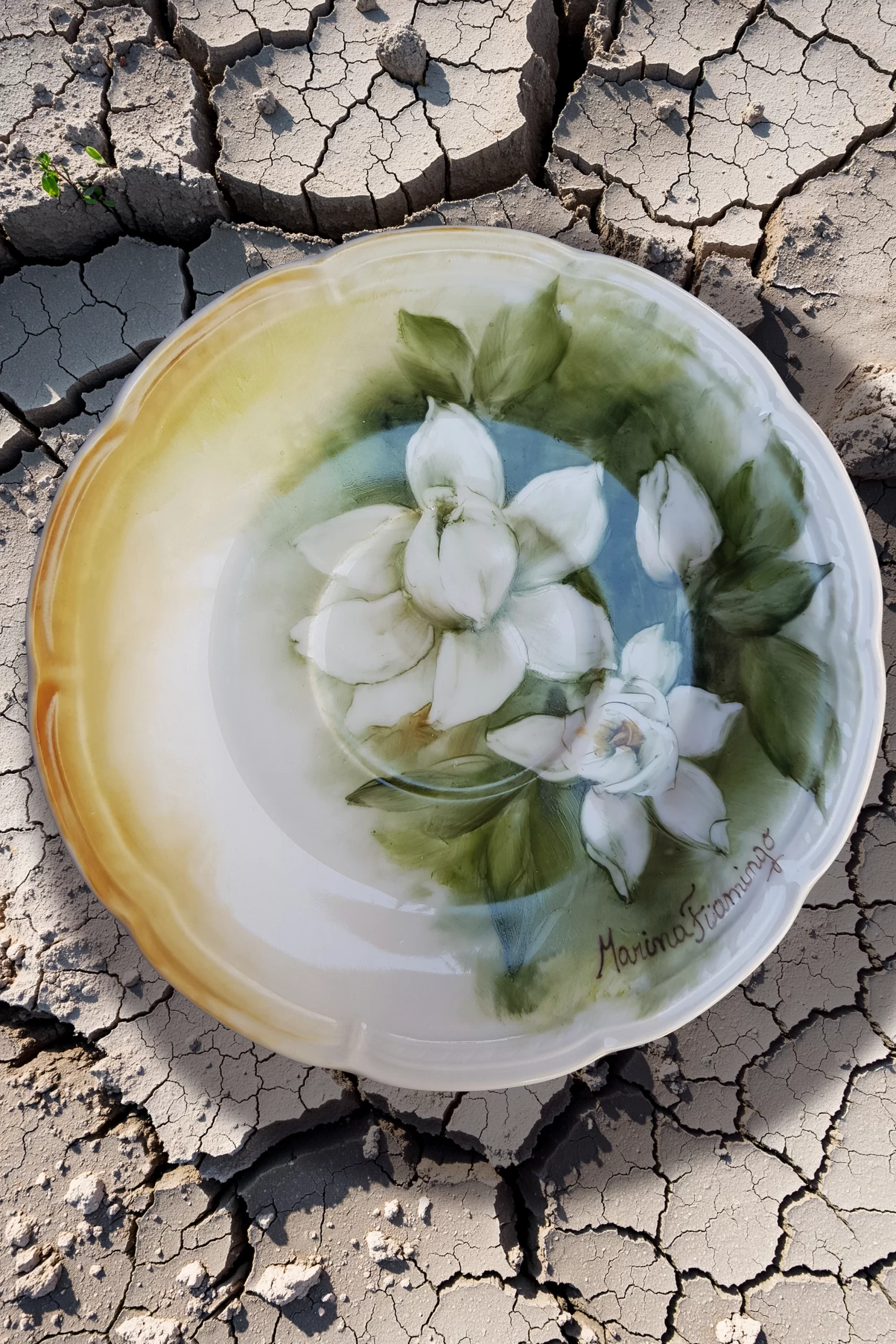
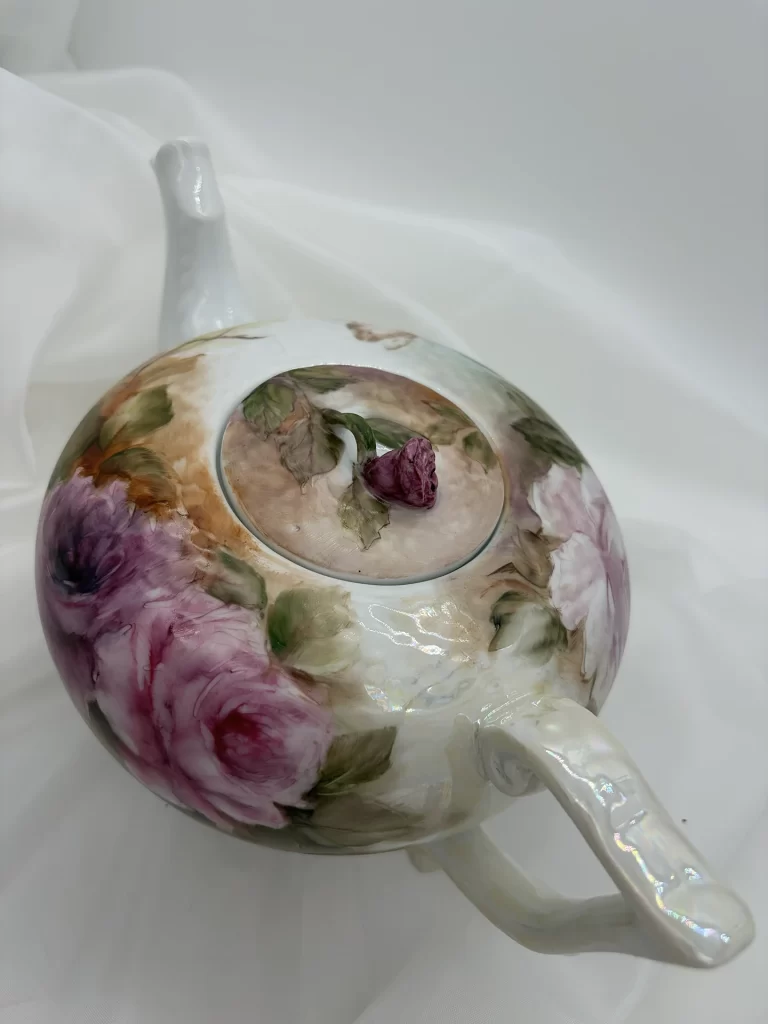
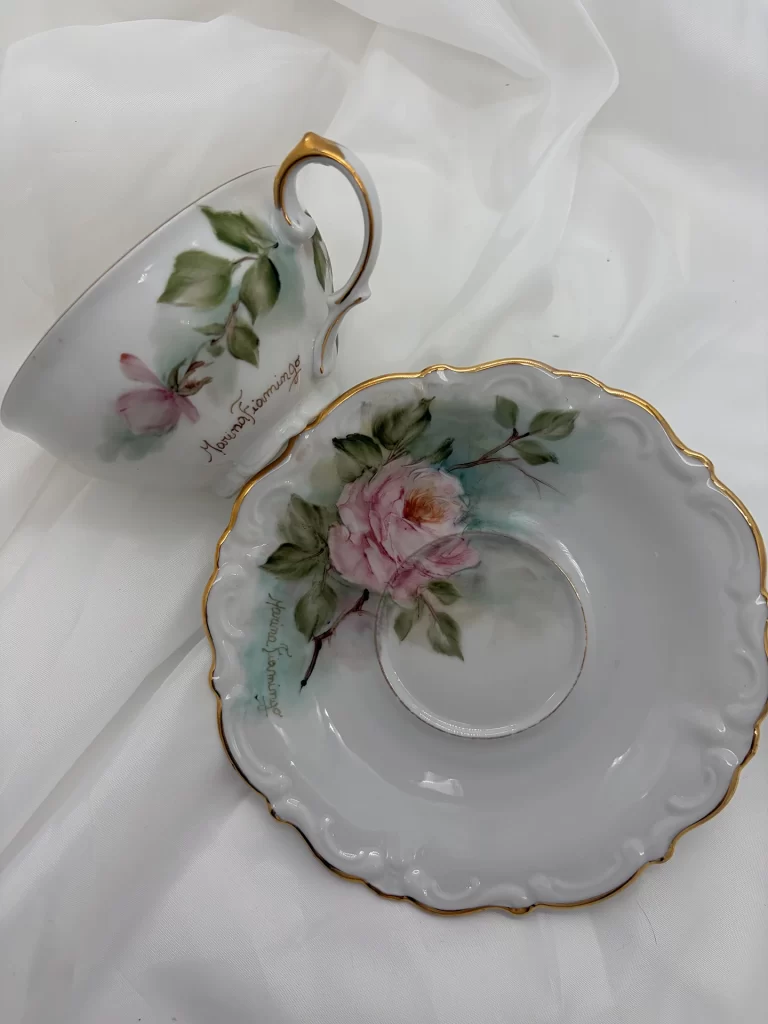
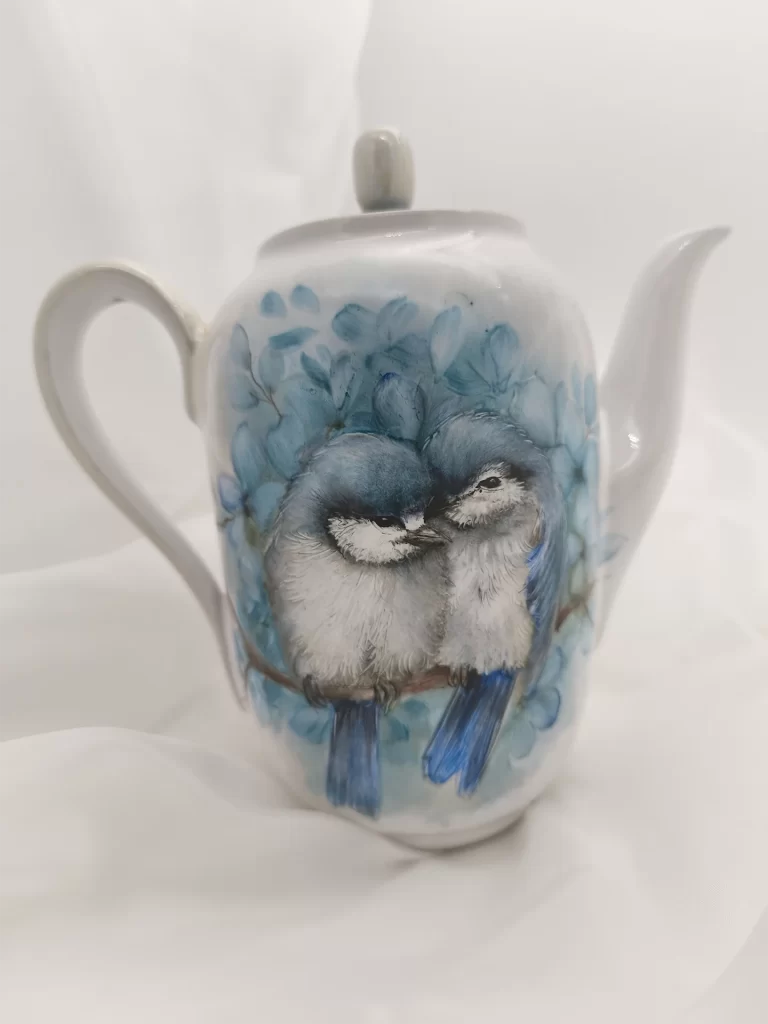
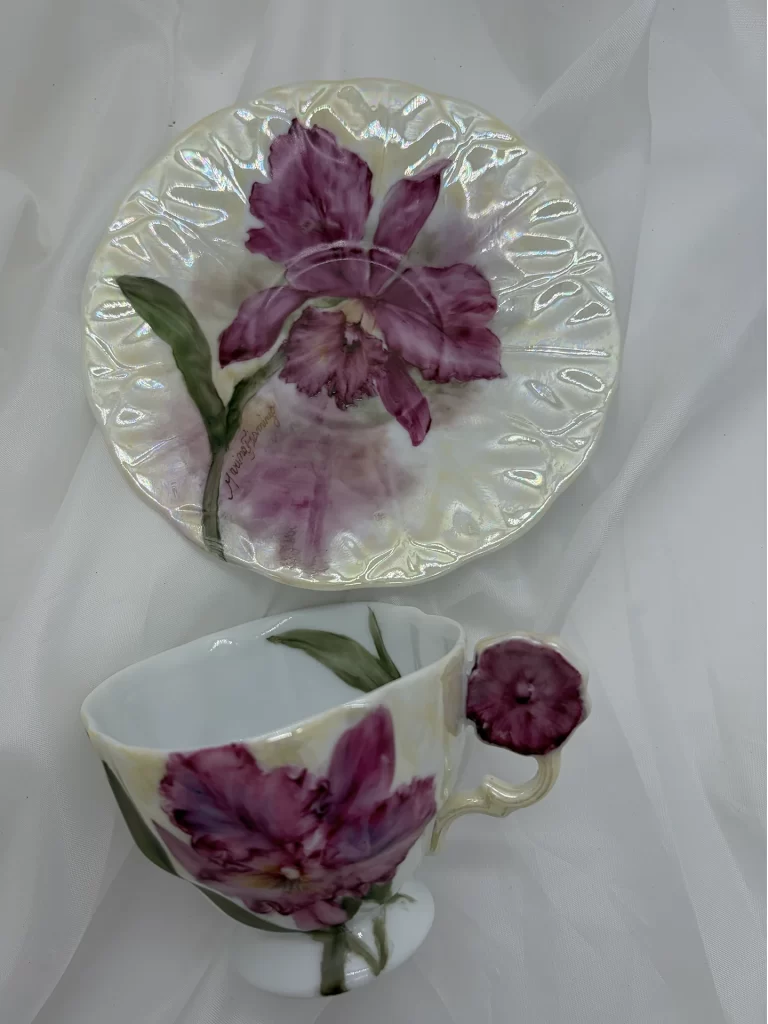
Finding art in resilience, observing the "flaws" or cracks in life, and in porcelain, you could create something unique. Sometimes, the greatest inspiration doesn't come from perfection, but from the ability to see a crack and decide that your light will shine through it, and a new story will begin to be painted on your porcelain.
In the world of porcelain, a crack is usually the end of a piece, but to the artist's eye, it's the beginning of a story. Observing imperfection requires a special kind of courage: the courage to accept that what is broken has its own beauty. Just as in my work on the force of nature, I have learned that the scars on the material—and on our own history—are channels where the light can enter more powerfully, allowing us to create from a place of absolute authenticity.
The Art of Repairing with Emotional Gold
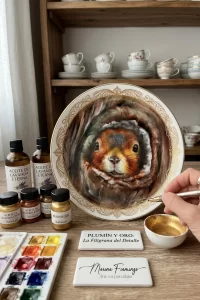
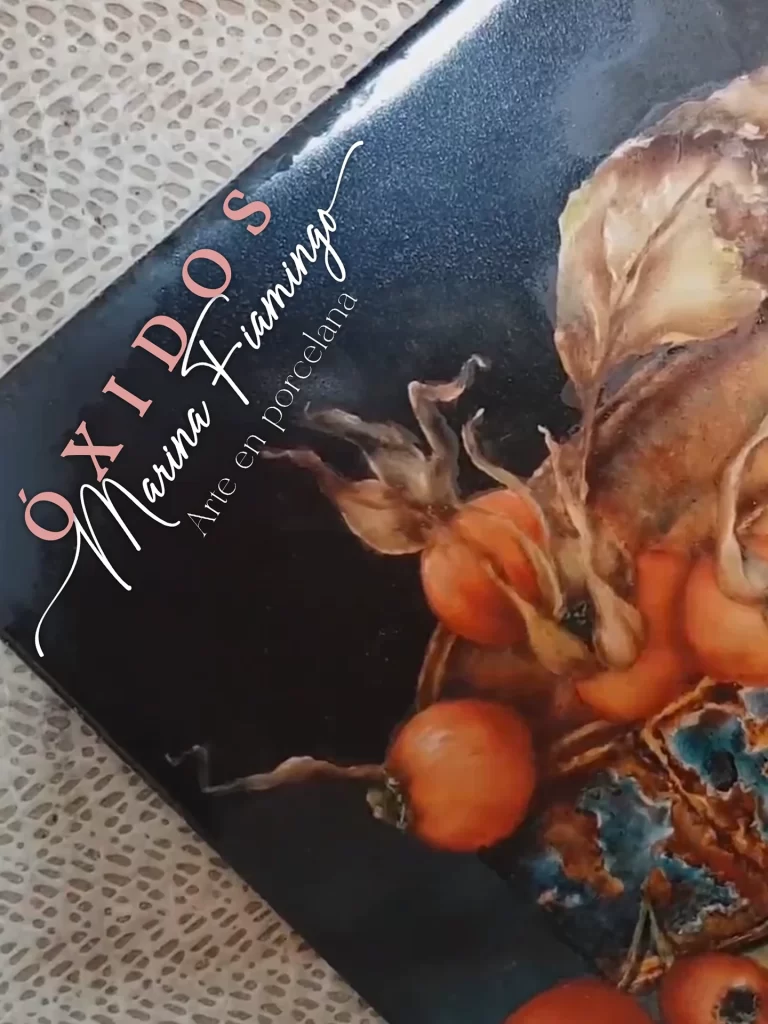
Drawing inspiration from imperfection often reminds me of the philosophy of Kintsugi, which celebrates breakage. By applying the technique of oil in mole On surfaces that have withstood the test of time, we seek to highlight the piece's history. This profound observation teaches us that we should not conceal what has been endured, but rather integrate it into a new composition that is more resilient and complex than the original, demonstrating that true mastery lies in transformation.
Nature as an Example of Adaptation
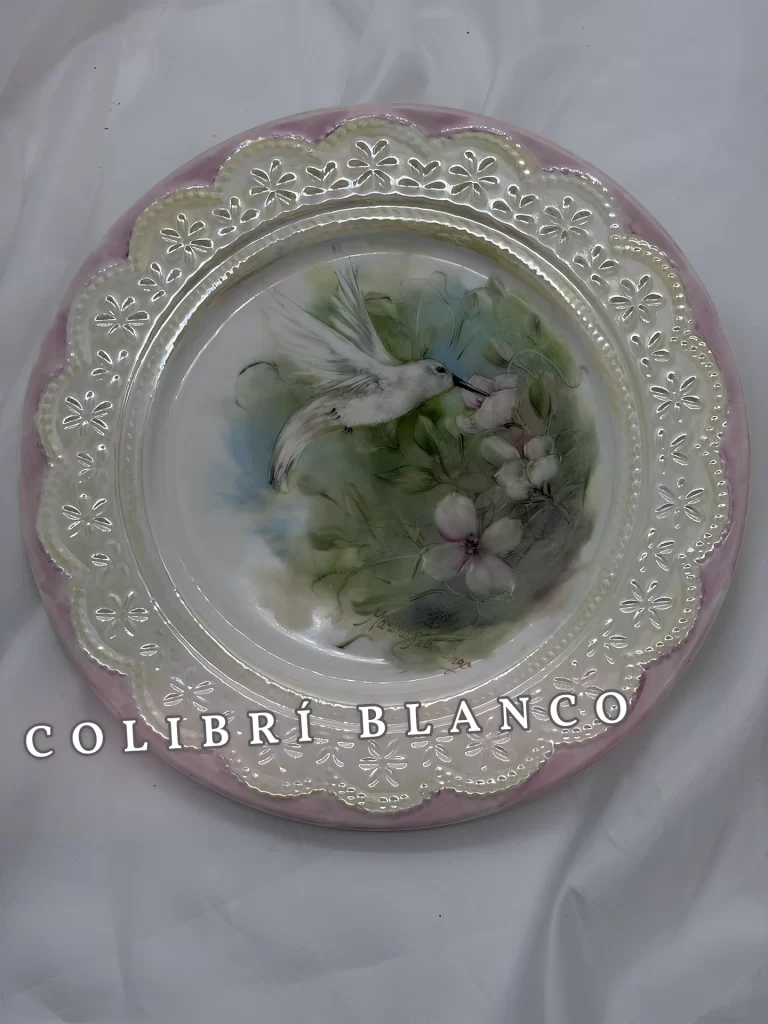
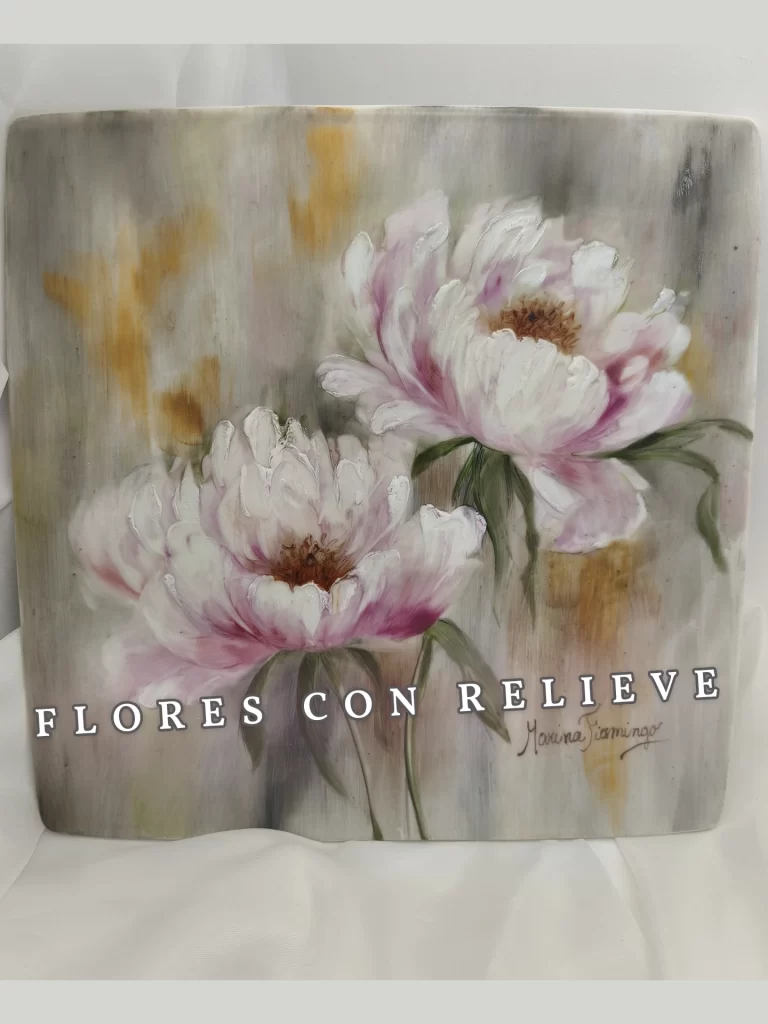
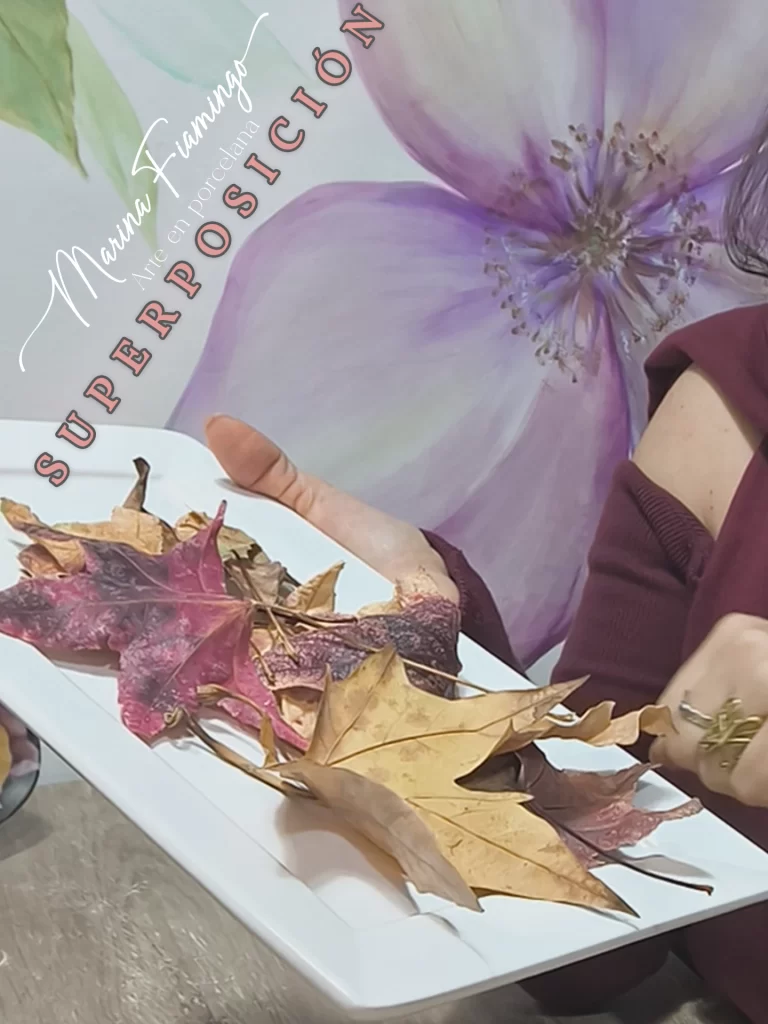
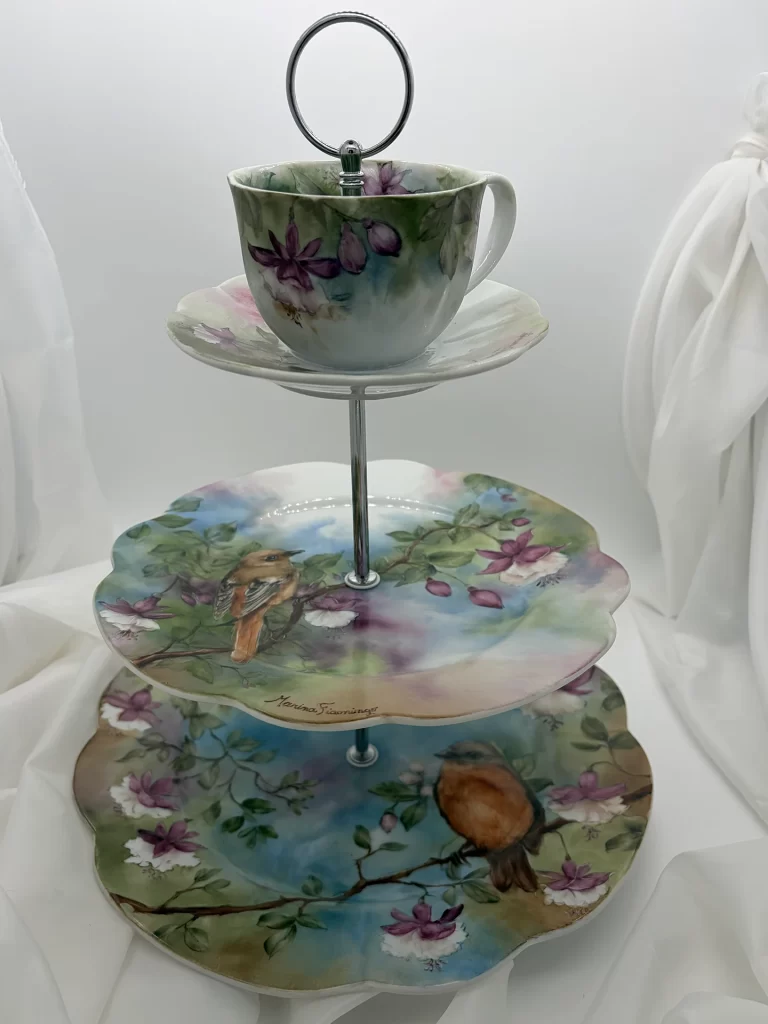
If we observe a forest or a single leaf closely, we see that perfection doesn't exist in its pure form; what exists is adaptation and survival. It is this same "imperfection" that I try to capture in my botanical pieces. The irregularity of a branch or the withered edge of a petal lends the work a truth that clinical realism sometimes loses. To be inspired by nature is to accept the cycle of life, with its light and shadows, and to depict it with the delicacy that only nature can provide. freehand painting It allows.
Creative Resilience: Failure as Inspiration
Not all firings in the kiln turn out as we expect, and it is in that moment of "frustration" that inspiration must be at its sharpest. Learning to observe a piece that didn't come out perfect forces us to reinvent our technique. This creative resilience is what has allowed me to perfect the open oil use, Finding solutions where before I only saw problems. Mistakes become teachers, and observing mistakes becomes our best tool for artistic growth.
An Invitation to a New Perspective
I invite you, the next time you face a difficulty, to try observing it with "porcelain eyes." Look for the line, the color, or the texture that the situation is offering you. My artistic process has taught me that inspiration is not a gift for a select few, but a reward for those who dare to look at imperfection with love and curiosity. Healing through art is, ultimately, learning to find beauty in every part of our journey, no matter how bumpy it may seem.
FAQs about the Beauty of Imperfect
Find here the answers to the most frequently asked questions I receive about this publication.
How can a technical flaw be integrated into a work of art?
Integrating a technical failure requires viewing the anomaly as an organic element and adapting the composition so that the crack or stain becomes part of the design. In porcelain painting, this may involve the use of precious metals or the reinforcement of shadows with oil in mole to give intention to what was originally an accident of the process.
How can a technical flaw be integrated into a work of art?
Resilience is the driving force that allows the artist to persist in the face of the difficulties inherent in fire and materials. In Marina Fiamingo's workshop, we understand that each failed firing is a lesson in humility and technique that strengthens patience and sharpens the ability to observe for future creations.
Why is imperfection considered more "human" in realism?
It is considered more human because it reflects the reality of life, which is full of textures, marks, and wear and tear. A realism that ignores imperfection appears artificial; therefore, in portraits and botanical works, capturing the detail of what is used or asymmetrical is what generates a true emotional connection with the viewer.
How does observing nature help overcome creative blocks?
Nature offers endless visual solutions to problems of color, shape, and balance that can unlock the artist's mind. By observing how a plant grows among the stones, we find a visual metaphor for resilience that can be translated into new themes and technical approaches for our work in porcelain.
Display currency was reset to the store default because the selected currency would show amounts as zero. Please update the exchange rate and Number of Decimals in Multi Currency settings.