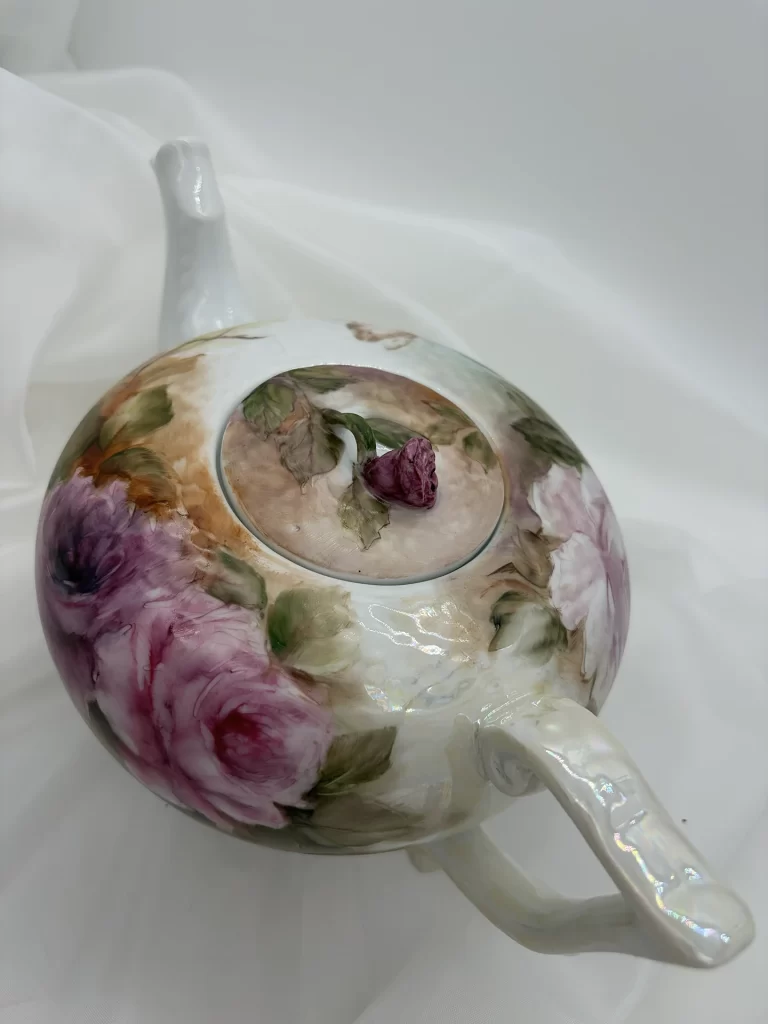
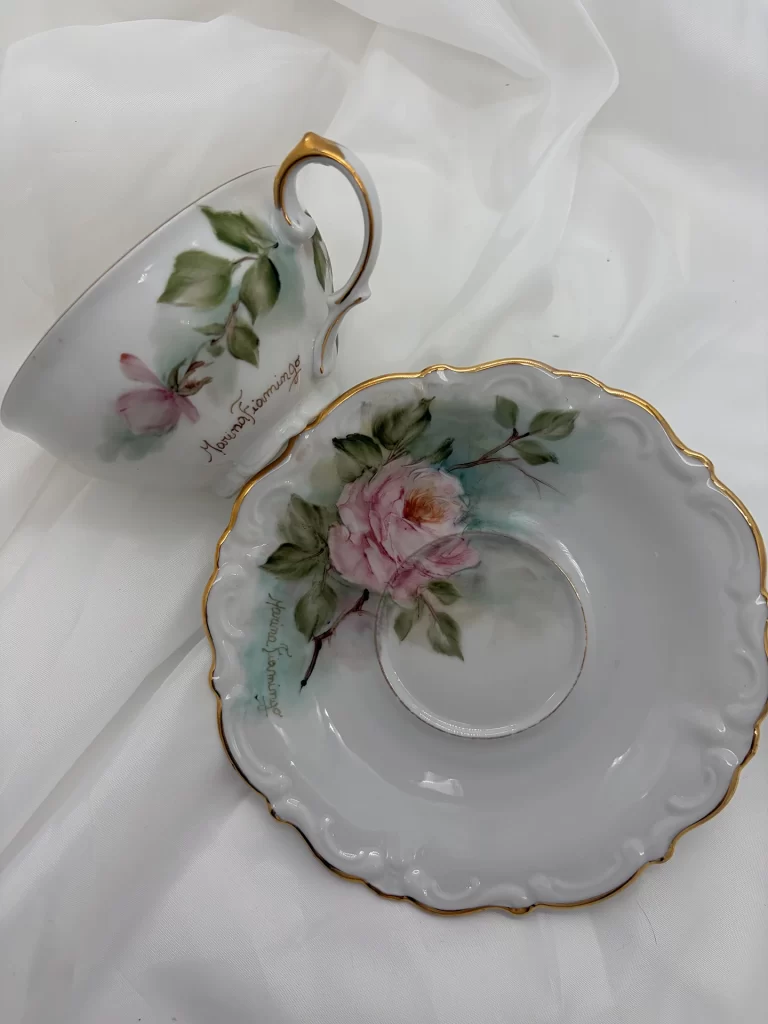
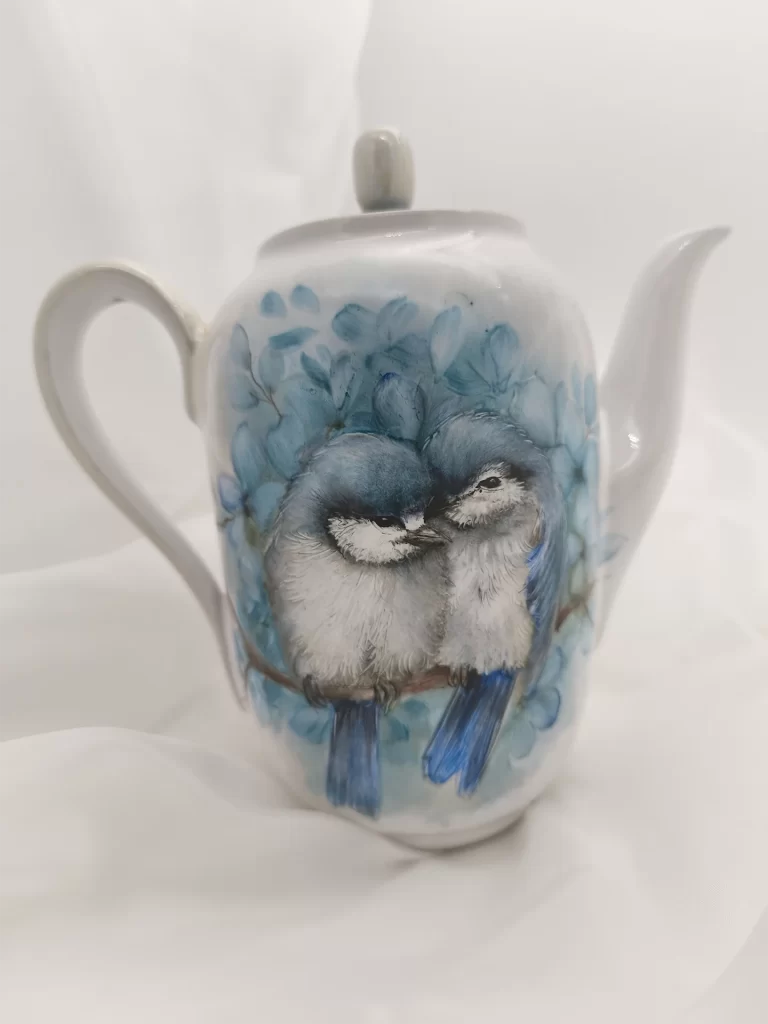
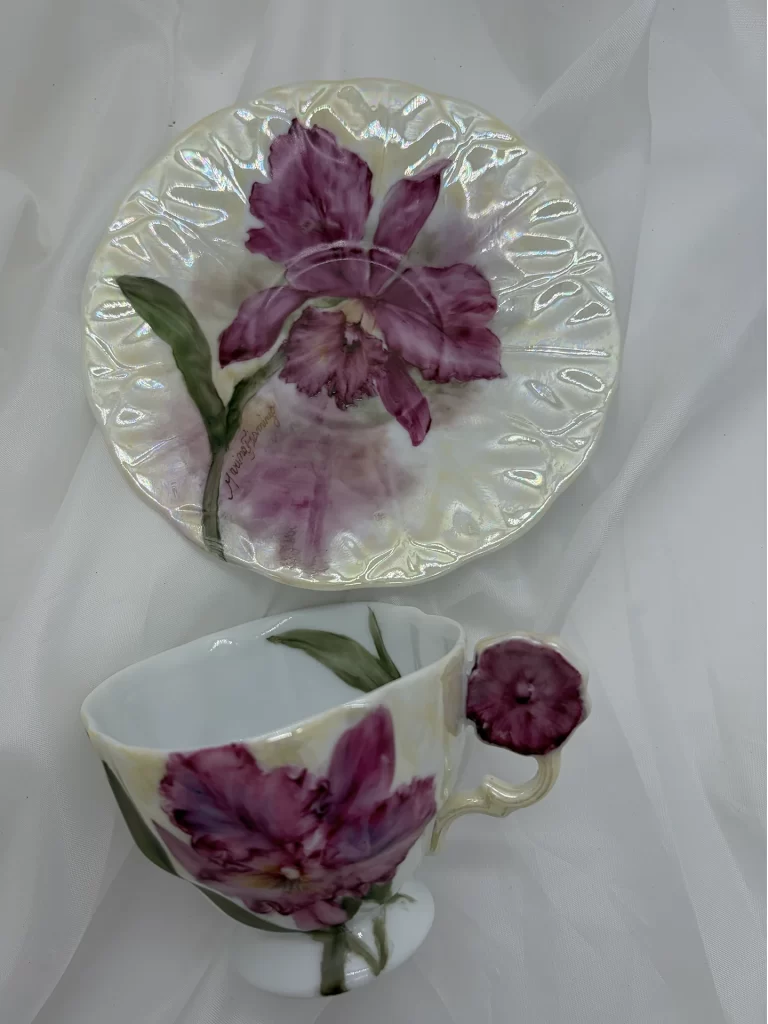
Inspiration isn't a bolt from the blue; it's the result of a trained eye that finds wonder in the smallest details of daily life. Let's delve into the discipline of observation.
I'm often asked how I manage to capture the depth of a gaze or the freshness of a petal, and the answer is always the same: discipline. Daily observation is a muscle that must be exercised consistently, looking beyond the obvious forms to discover the undertones of color and the micro-shadows. In my workshop, I encourage my students to observe the world as if it were a blank porcelain plate, analyzing how light bounces off objects and how color changes depending on the time of day.
Nourish the Internal Visual Library
Every object, face, or landscape we observe attentively is recorded in our memory as a resource for future works. This “visual library” is what allows us, for example, to decide what kind of oil open or closed It will work better for representing a specific texture. By disciplining our gaze, we stop relying on luck and begin to make technical decisions based on a reality we have thoroughly studied, turning inspiration into a predictable and powerful working tool.
From Mental Sketch to Drawing on the Plate
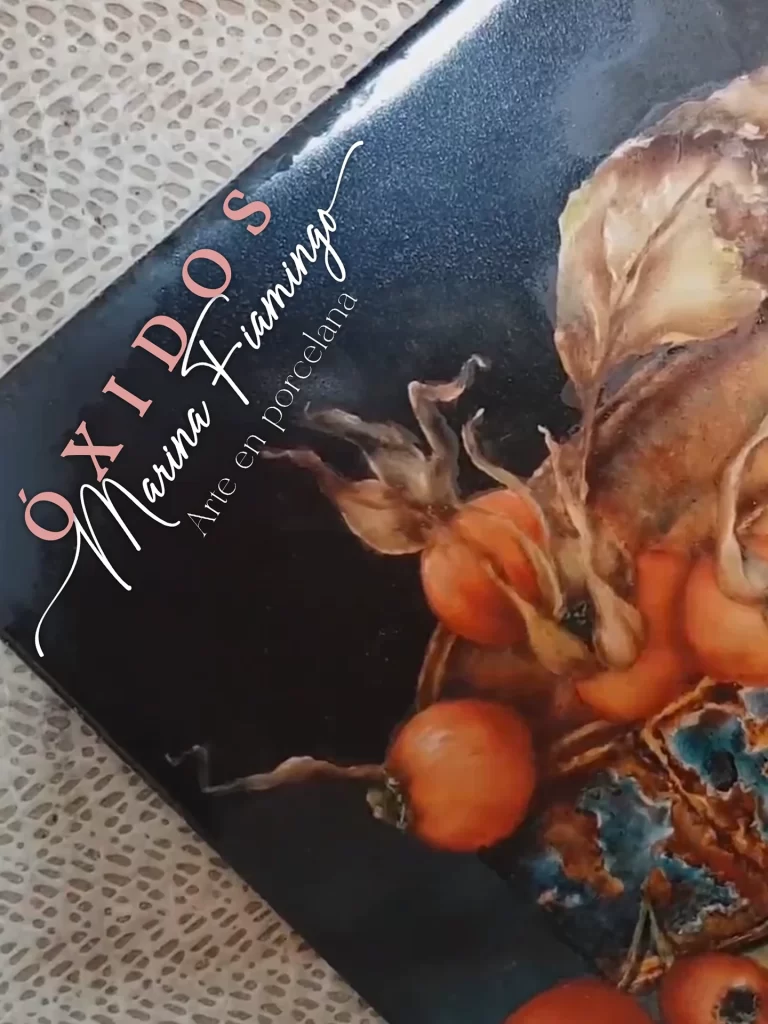
The discipline of daily observation allows us to have much of the work already done in our minds when we finally sit down to paint. I've noticed that the most accomplished works, such as those that explore the black and white realism, They are born from hours of silent contemplation. Observing how the paint behaves on virgin porcelain is part of that discipline; understanding the support is as important as understanding the model, and that connection is only achieved through the constant practice of seeing with intention.
Routine as a Source of Inspiration
You don't need to travel to exotic places to find subjects to paint; true mastery lies in finding the extraordinary in the ordinary. A cup of coffee, the reflection in a window, or the hands of a loved one, as in my healing work, These are inexhaustible themes if we examine them closely enough. The discipline of observation teaches us that beauty is everywhere, waiting for someone to pause long enough to see it and possess the necessary skill to immortalize it in fire.
The Commitment to Artistic Excellence
At the end of the day, disciplined observation is a commitment to excellence. It's what distinguishes a decorative piece from a truly original work imbued with emotion. Along my journey, I've learned that you can't paint what you don't know, and you can't know what you haven't observed with love and rigor. I invite you to make observation your daily habit: look at the shadows, analyze the highlights, and allow yourself to be amazed by the world; your brush will thank you with every new burn.
FAQs about Training the Eye to Create
Find here the answers to the most frequently asked questions I receive about this publication.
How do you distinguish a disciplined artist from one who just waits for inspiration?
The disciplined artist works even when he doesn't feel like it, using technique and prior observation to move forward, while the one who waits for inspiration depends on random external factors. Discipline allows Marina Fiamingo to maintain a constant, high-quality output, as her craft and trained eye compensate for moments of lower creative energy.
Is it necessary to draw every day to paint porcelain well?
It is not strictly necessary to draw on paper, but it is vital to "draw with your eye" every day, analyzing proportions and lights in the environment. This mental exercise develops spatial memory and color perception, skills that transfer directly to the freehand painting on the porcelain plate, making it easier to handle the brush.
What role does the study of other teachers play in the observation?
Studying other masters is fundamental to learning new ways of interpreting reality and expanding our own technical solutions. By observing how other artists resolved light or composition, we enrich our own perspective, allowing us to evolve and find a personal style that is both technical and authentic.
How does discipline help in handling oil paint in mole?
Discipline helps in handling oil paint in a mole by teaching us to anticipate the density and volume of the material before it touches the piece. Since it is a vehicle that requires precision in the brush loading, the constant observation of how the material flows or sticks allows us to master its nuances, avoiding common mistakes and achieving professional finishes in fewer burns.