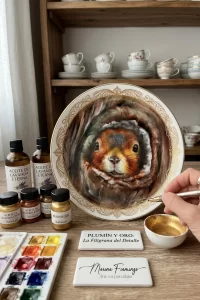
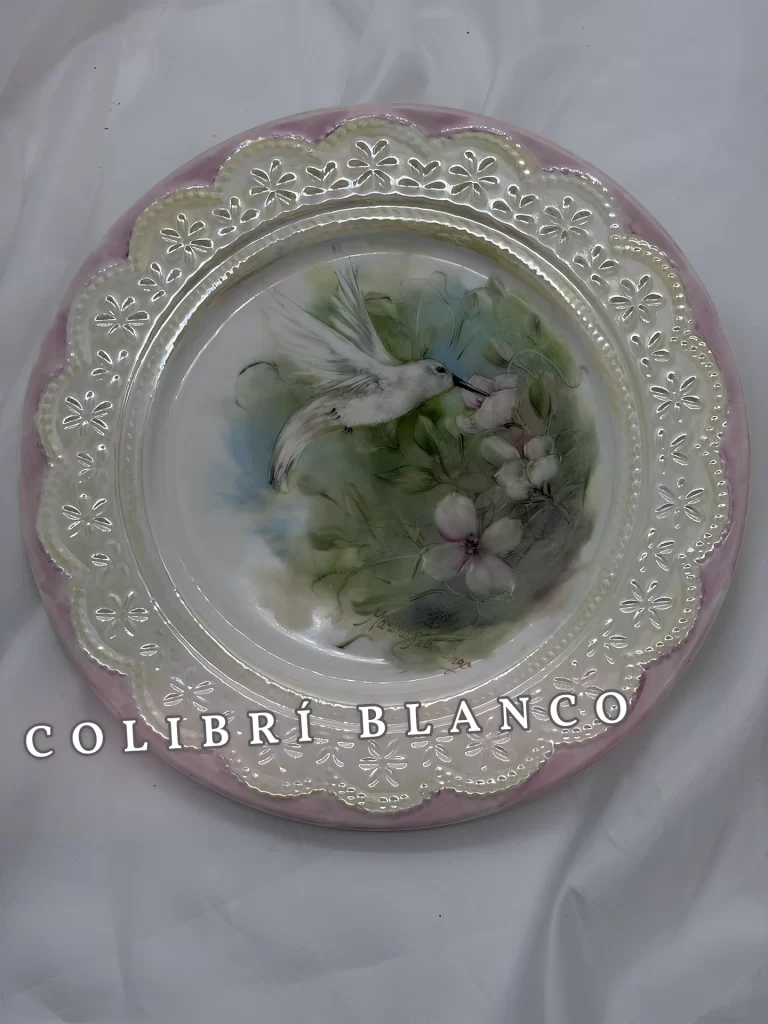
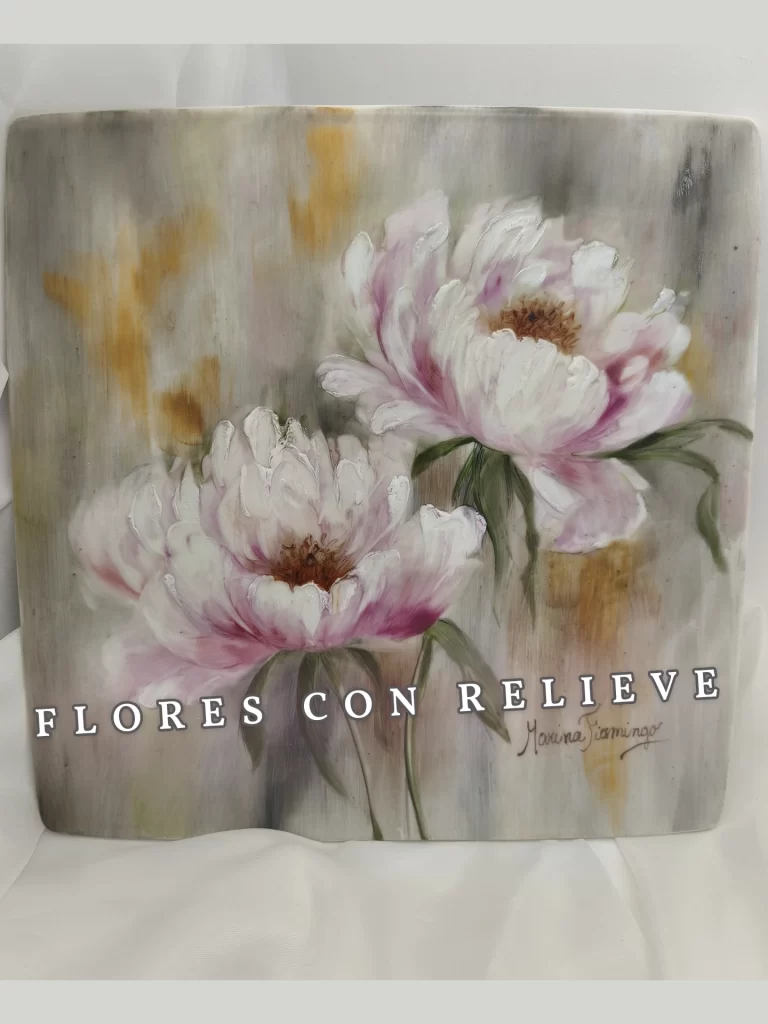
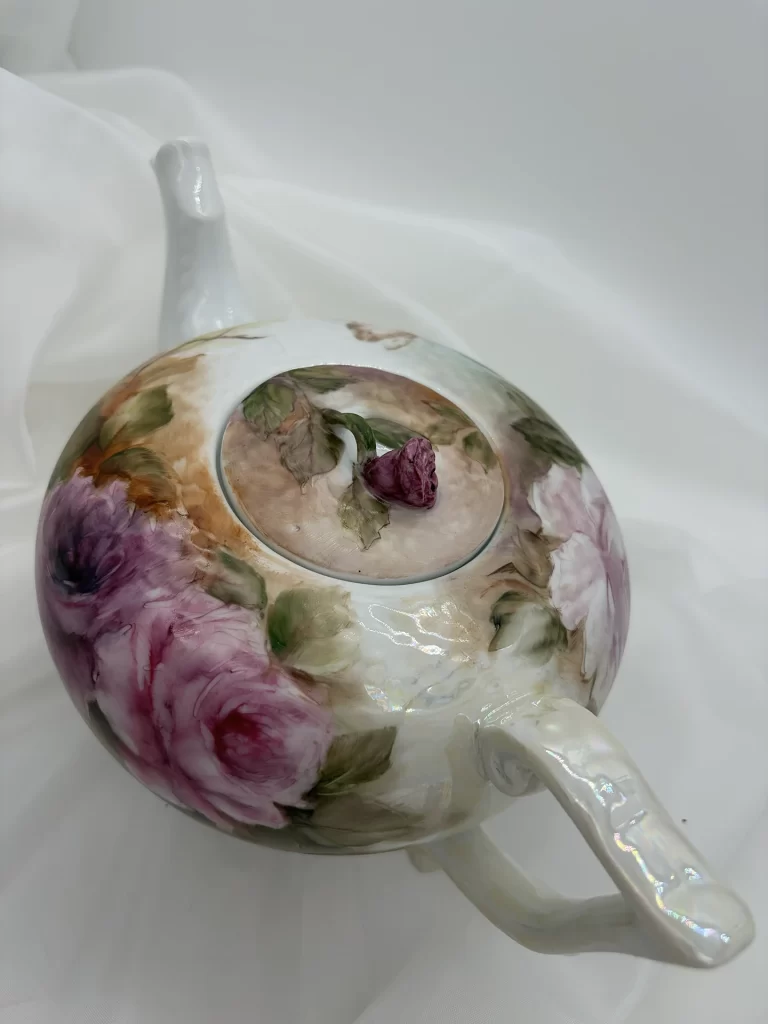
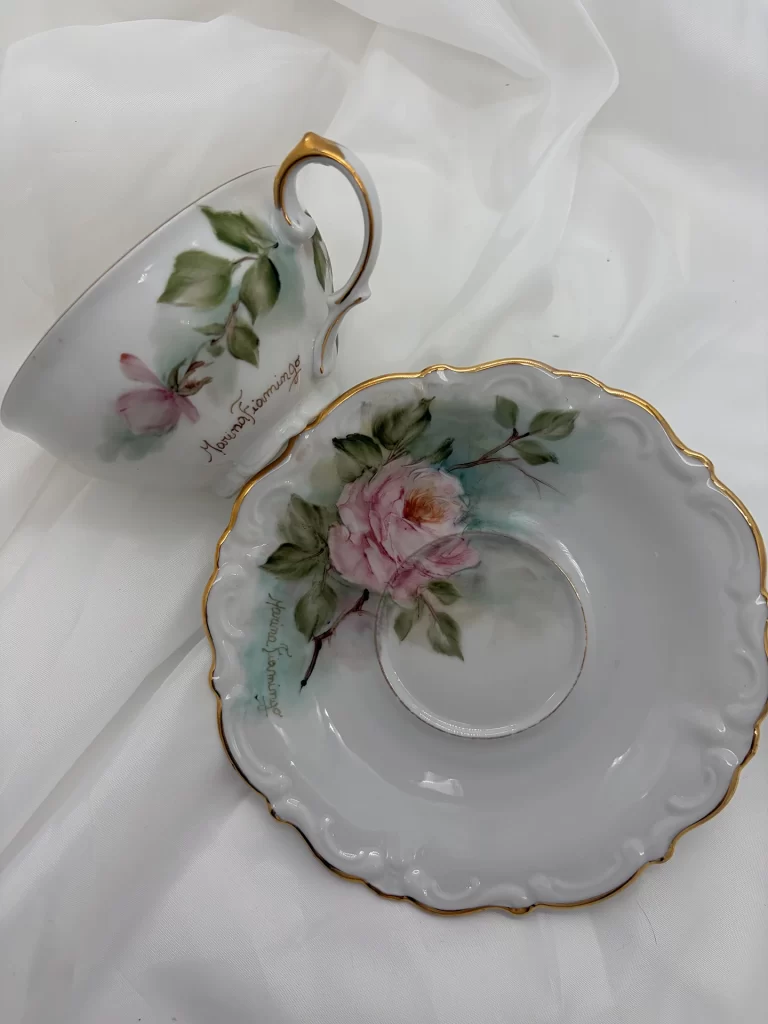
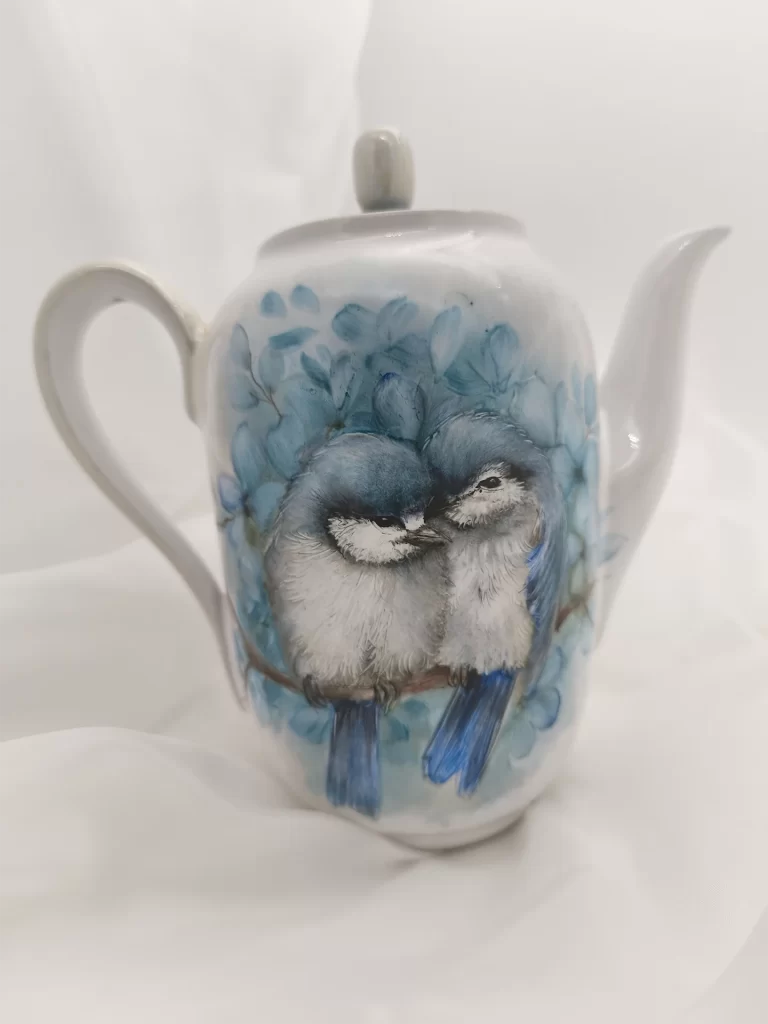
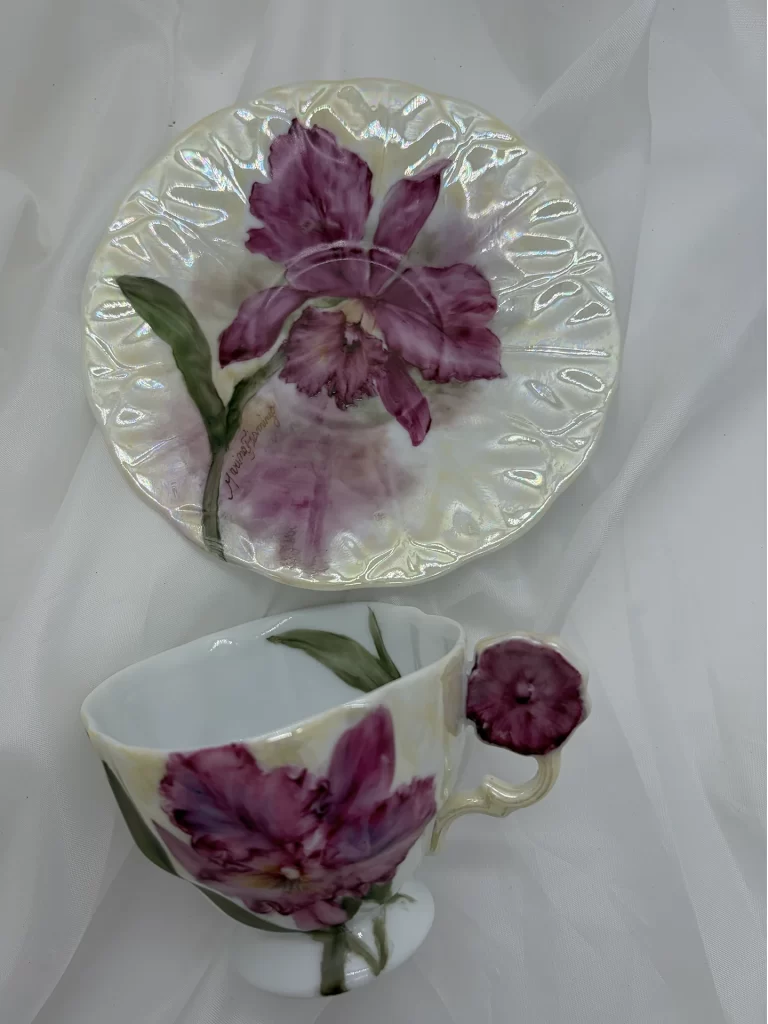
Creating with the art of patience in porcelain, I've learned that fire not only hardens the material but also crystallizes emotions. Imagine being able to stop time and capture the light precisely in the groove of a caress or in the wise gaze of a grandmother; that, for me, is what oil painting on porcelain is. In this article, I open the doors of my studio to show you how, starting with the purest and most absolute white, I use patience and chiaroscuro as my only brushes to bring to life portraits that not only decorate spaces but also safeguard legacies and awaken the soul.
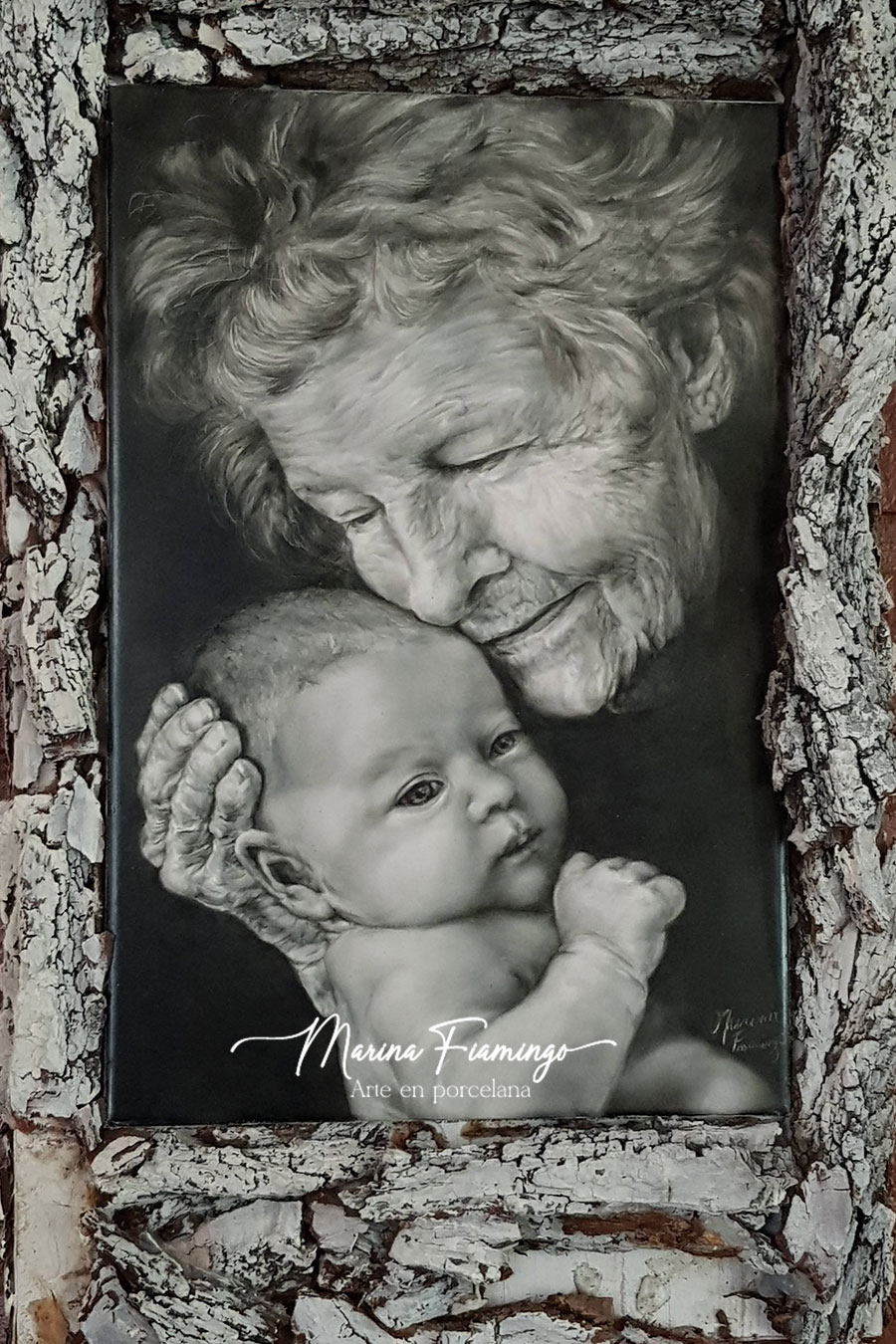
I decided to create this work exclusively in monochrome to eliminate any distractions and focus purely on tonal value. By working without the aid of color, the entire power of the piece rests on the psychology of light. oil in mole It allows for absolute clarity in the transitions, clearly differentiating the child's smooth skin from the grandmother's skin marked by time. In this piece, contrast is what tells the story: the deep black makes the light on the faces emerge with dramatic force.
My Process in Four Burns: Patience as a Guide
In my workshop, time is measured in fires. I follow a four-firing process to build volume with total control over the composition, where patience defines the final result.
First Burning: Rescuing the Lights. I focus on highlighting the main features, using the pure white of the porcelain as my highest starting point. I establish the anatomy with subtle shadows, creating a soft and balanced map of the face.
Second to Fourth Burn: Progressive Increase. My work focuses on gradually increasing the intensity of the color. oil in mole It allows me to apply successive glazes to intensify the depths without losing the initial luminosity. Thus, the baby's skin remains ethereal while the old woman's gains that lived-in, deep texture.
Where hands and faces with their details
In pieces where hands and details take center stage, the oil in mole It is fundamental for separating planes of depth. Freehand painting is a challenge of anatomical precision; every wrinkle and every ridge of a strand of wool must have its exact place. This technique allows me to achieve absolute black in the background, a darkness that pushes the subject forward, making the details of the nails and tanned skin almost tactile.
The light seems to get trapped between the grandmother's skin and the baby's.
In this final stage of the process, the color intensifies with each firing until it reaches a dramatic level where the light seems trapped between the fingers and the needles. The use of chiaroscuro with this intensity makes the piece seem to leap off the porcelain. For me, the ultimate goal is for the viewer to forget the hardness of the porcelain and feel the softness of a baby's skin and the wisdom accumulated through life's experiences, encapsulated in every wrinkle of the grandmother. All of this is united by the vitrification process in the kiln.
More than a hobby, a haven of beauty
For the woman seeking a space for expression, oil on porcelain offers something that few other mediums can achieve: permanence. What we seek to create is not ephemeral; it is a work that survives time, thanks to vitrification in the kiln.
If you feel that the pace of the world today is too fast, art through the technique of oil on mole, It's an invitation to slow down. It's about learning to see the light where others only see emptiness, and understanding that, like porcelain, our best selves are forged slowly and carefully.
FAQs about Oil in Mole
Find here the answers to the most frequently asked questions I receive about the Oil Painting Technique on Mole.
This is my primary working method, where I use the same pigments as in other techniques, only in this case, I mix them with oils that keep them fresh until firing. This allows me to work calmly and achieve neat and more precise blending before putting the piece in the kiln.
Why is oil on canvas ideal for realistic portraits?
Because it allows for an infinitely smooth transition of shades. Unlike other quick-drying techniques, the oil in mole It gives me the necessary time to "sculpt" the anatomical features and skin textures with a precision that seems to come to life on the porcelain.
How many times should the piece go into the oven?
It depends on the desired effect. Each firing adds a layer of intensity. In the case of this piece, I performed four firings, which were vital to achieving the deep blacks and intense shadows without saturating or compromising the porcelain's natural transparency.
Can anyone learn to paint with oils on a mole?
Absolutely. Although it requires guidance and patience, it's an extremely rewarding technique. My approach is to teach you to "see" the light first; once you understand how the oil in mole It behaves on the surface, the process becomes a unique artistic meditation.
Display currency was reset to the store default because the selected currency would show amounts as zero. Please update the exchange rate and Number of Decimals in Multi Currency settings.