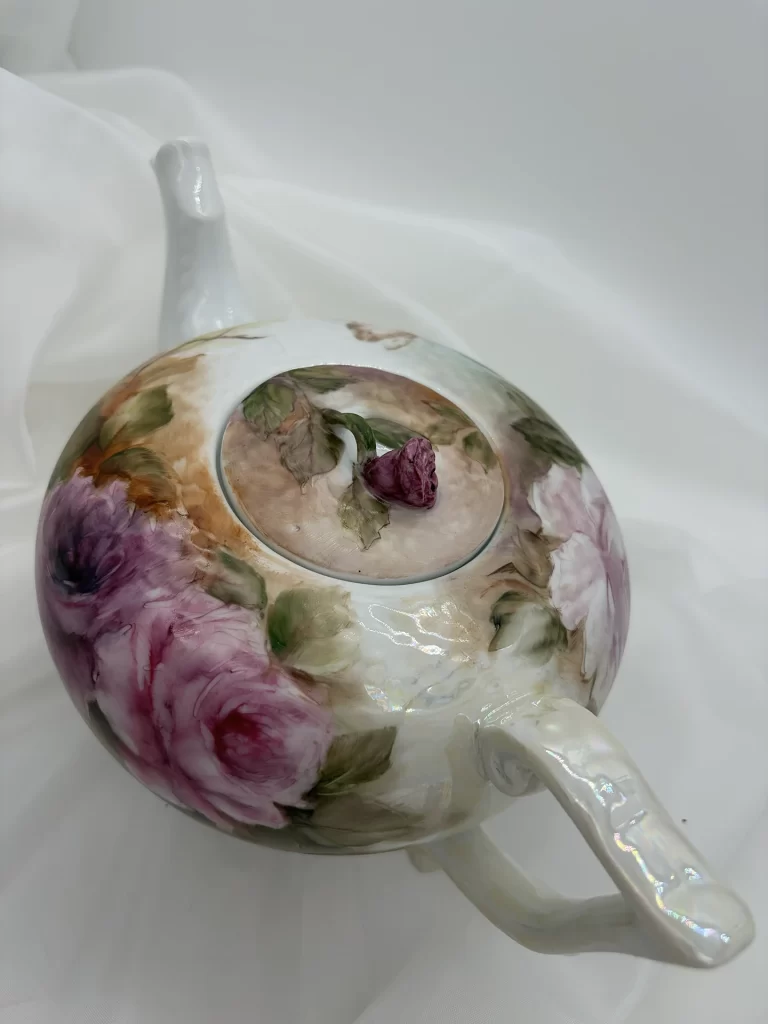
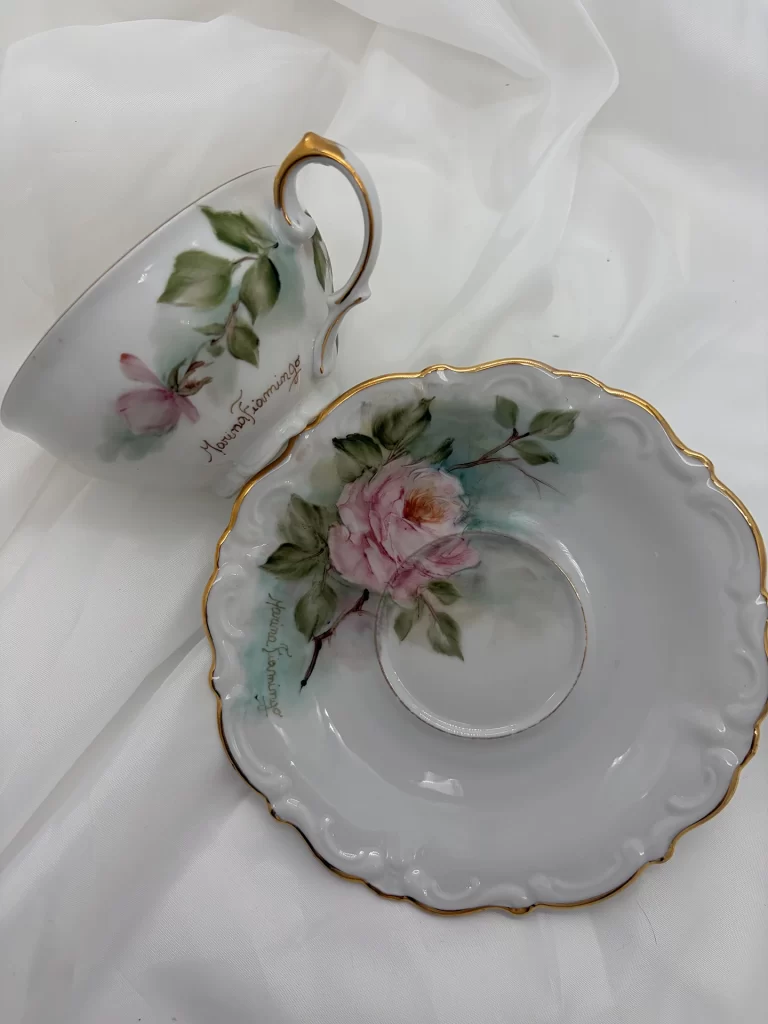
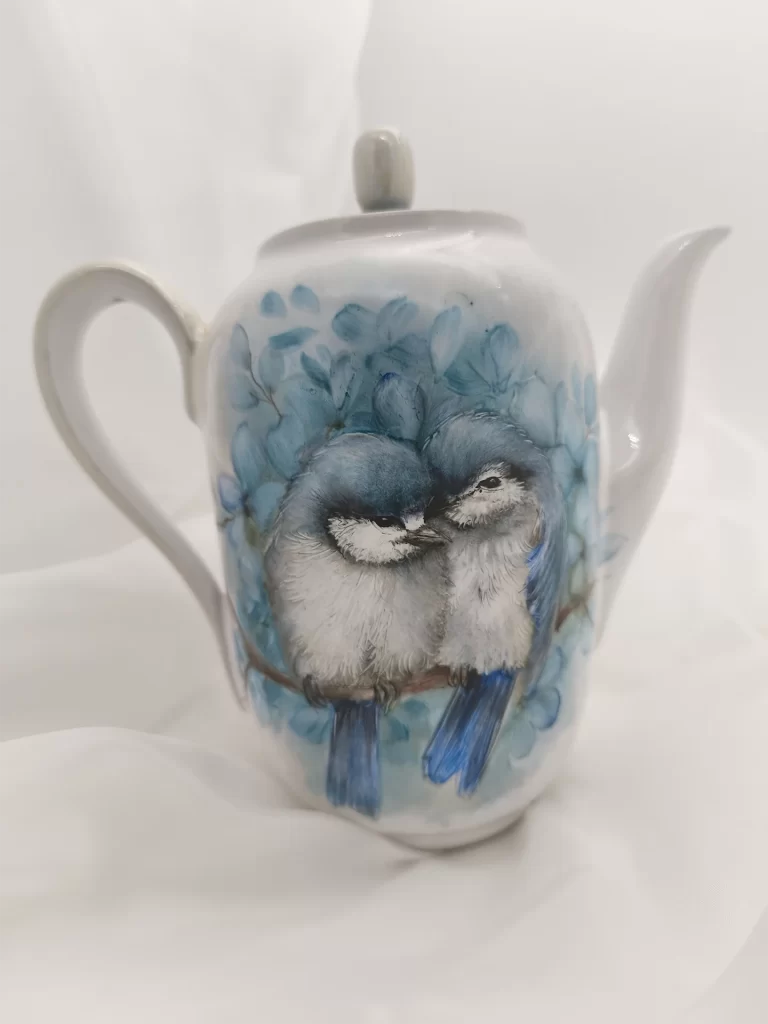
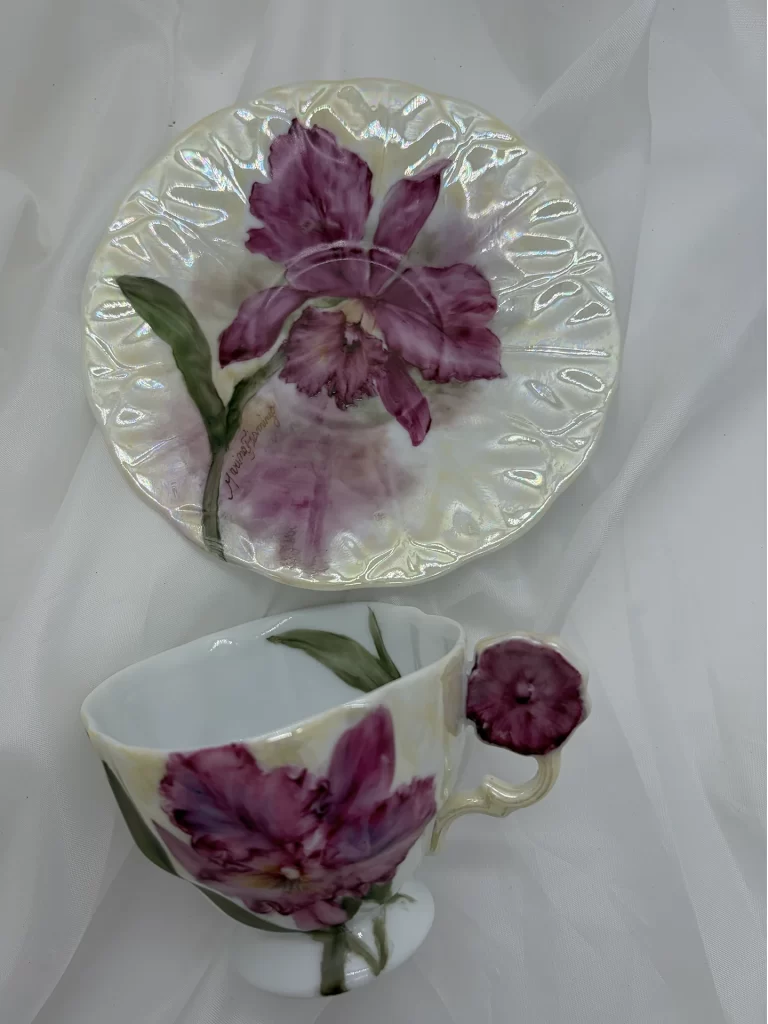
If you're looking to blend freedom with precision, it's a good idea to forgo tracings and rigid guides, thus opening up the connection between the artist and the surface. Discover the power of trusting your eye and your steady hand to create works with soul and direct movement on porcelain.
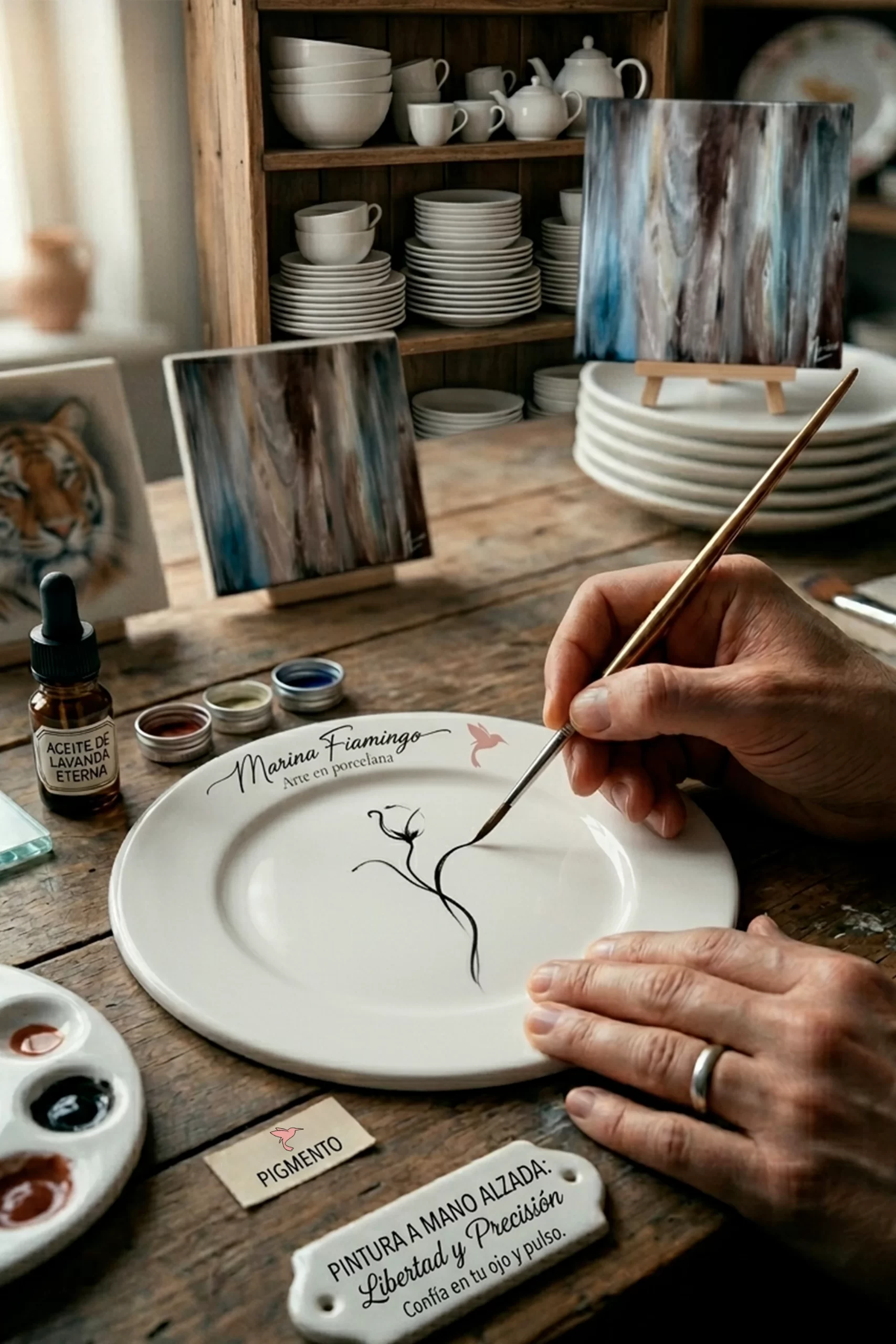
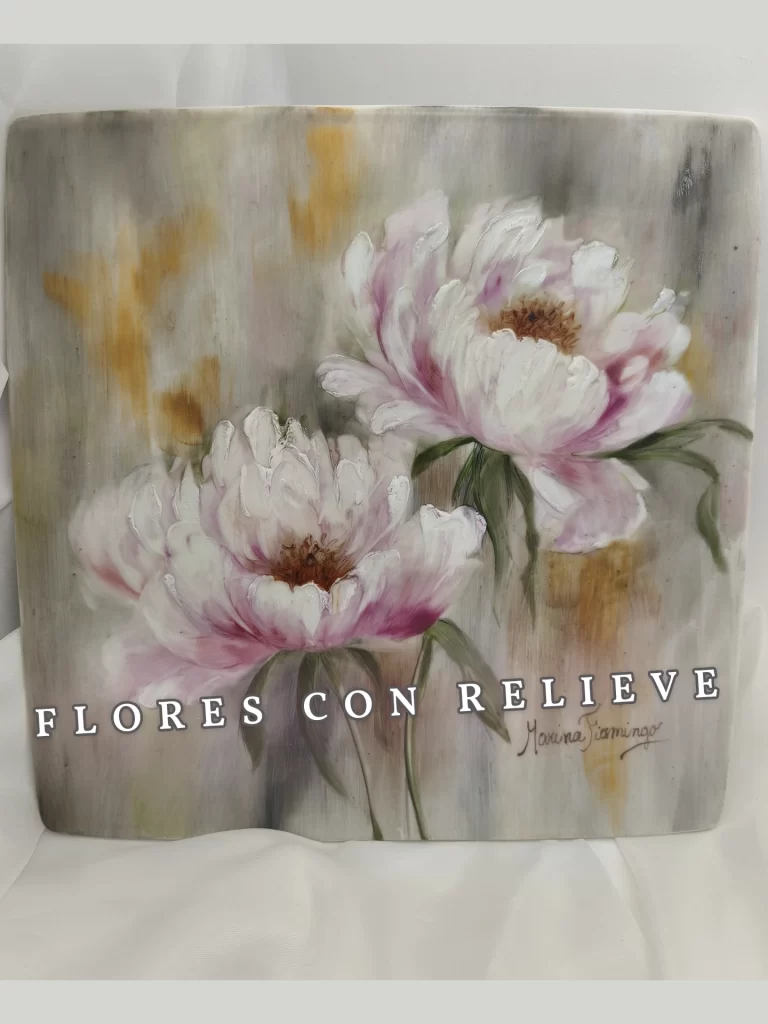
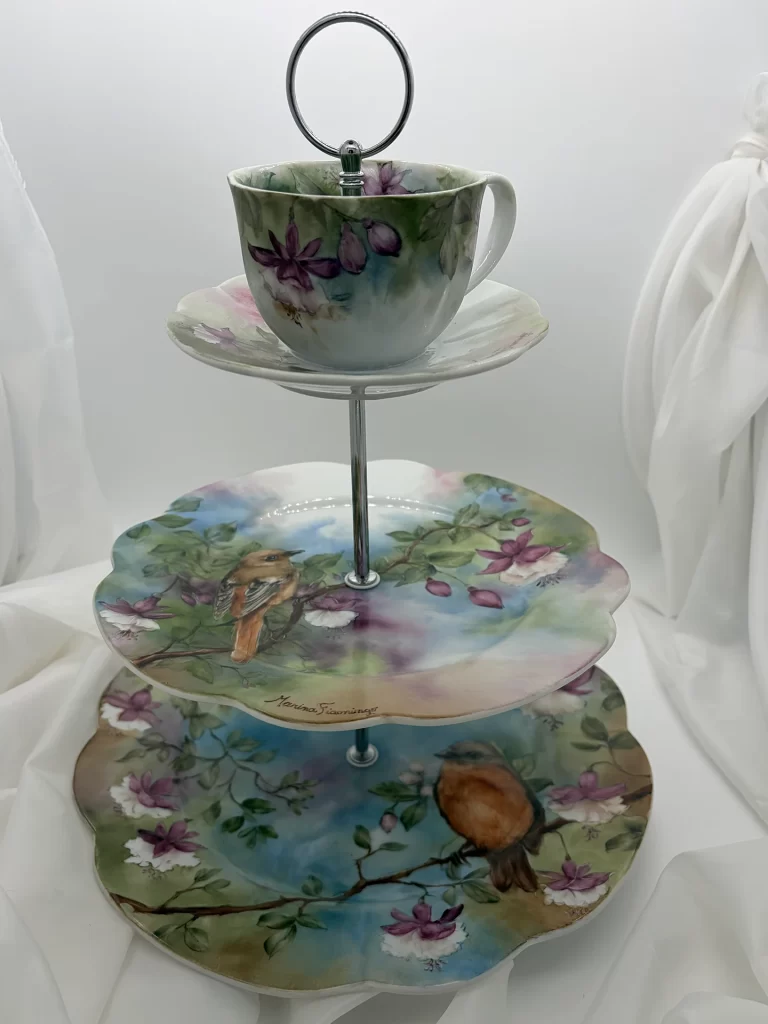
The freehand painting It is, perhaps, the most honest and courageous act within the Atelier. It means shedding the crutches of tracing and mechanical transfer to allow the artist's vision to flow unfiltered onto the porcelain. This technique is not just a way of working; it is a philosophy that prioritizes the freshness of the brushstroke and the personal interpretation of reality. By painting freehand, each work becomes a unique record of a moment of pure connection, where the discipline of observation It manifests itself in every movement of the brush. Freehand painting requires courage, but above all, confidence. By facing the blank canvas without pre-established guidelines, we allow our artistic intuition to take the lead. This spontaneity is what gives Marina Fiamingo's pieces that "living work" character. By dispensing with rigid lines, the brushstroke acquires a rhythm and vibrancy that tracing often stifles, allowing the viewer to perceive the creator's energy in every detail of the composition.
Train the Eye before the Hand
Freehand painting is not synonymous with careless improvisation; it is the result of a trained eye. Before touching the porcelain, we conduct a thorough visual study of the model, whether it is a tribute portrait or a botanical motif. We must first understand the proportions and lines of force in our minds. This preparation gives us the confidence so that, when the brush touches the enamel, the stroke is decisive, precise, and full of the personality that only the human touch can provide.
The Connection with the Shape of the Piece
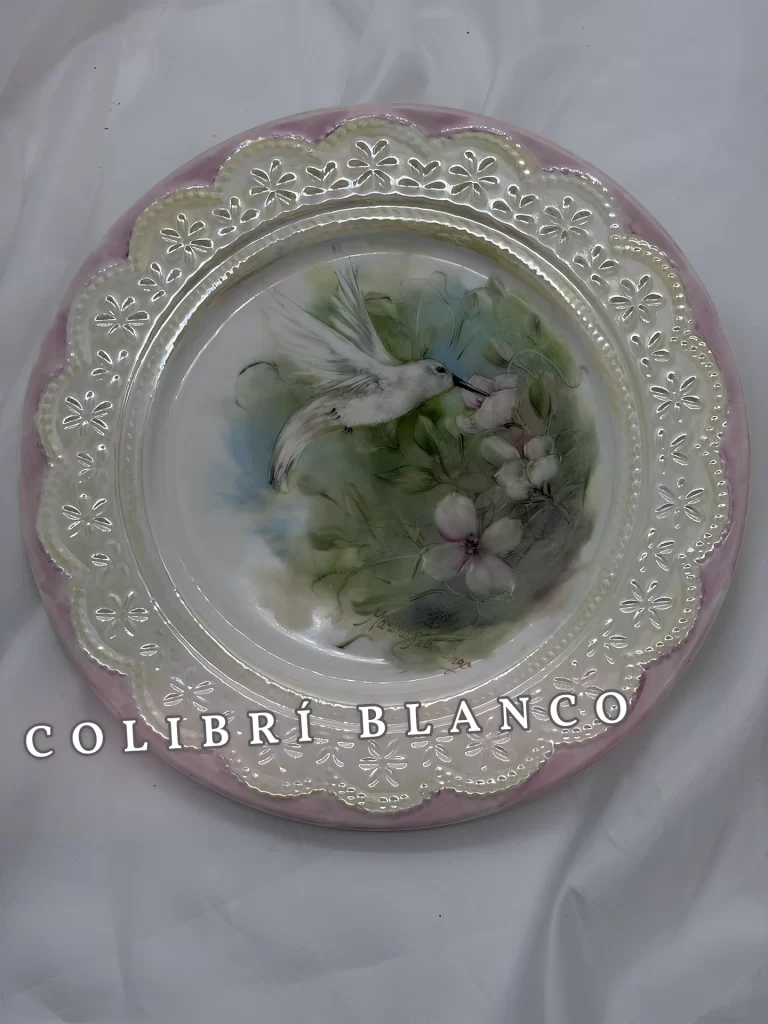
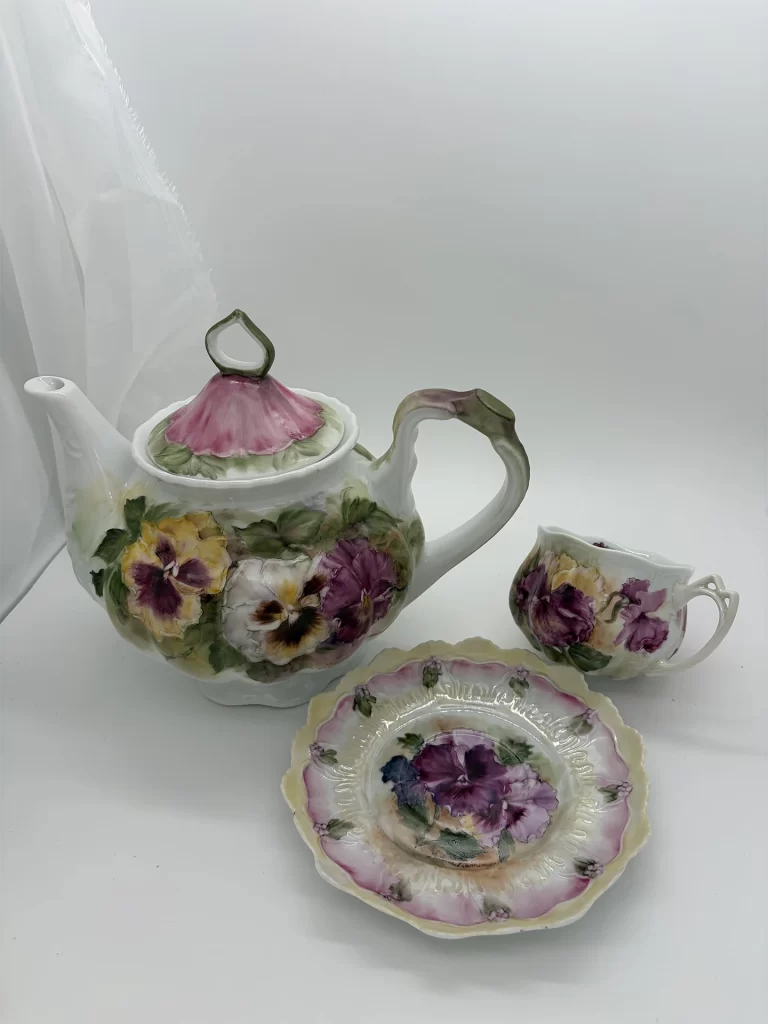
When we paint freehand, the artwork has the ability to organically adapt to the shape of the object. Unlike a rigid design that must fit precisely, freehand painting allows the brush to "dance" with the curves of a jug or the edges of a bowl. As we saw when discussing the perfect support, This flexibility is what makes the object and the painting an indivisible unit, where the design seems to have been born from the porcelain itself.
The Technical Advantage of Live Correction
One of the great advantages of working with slow-drying oils Freehand drawing offers the possibility of adjusting the design in real time. If a stroke lacks the desired elegance, we can remove it or modify its direction without leaving a trace. This freedom eliminates the fear of making mistakes and invites us to experiment with line intensity. The process becomes a constant dialogue between the artist and the mark, where each "mistake" is actually an instruction for achieving technical mastery.
The Value of the Author's Authenticity
In a world saturated with mass-produced items, freehand painting is a symbol of authenticity. Collectors value the controlled imperfection and unique character that only the human hand can bestow. I invite you to set aside stencils and discover your own voice on porcelain. In the workshop, I will teach you visual reference techniques so that your freehand painting has the precision of a master and the freedom of a creator who isn't afraid of the blank canvas.
FAQs about Freehand Painting
Find here the answers to the most frequently asked questions I receive about this publication.
Do I need to be an expert at drawing to paint freehand?
You don't need to be an accomplished artist, but you do need a willingness to learn to observe proportions and negative space. It's a skill that develops with consistent practice.
How are basic references marked on porcelain?
We often use special grease pencils that disappear in the oven to mark minimal reference points that help us position the composition without restricting the freedom of the stroke.
Is it possible to achieve extreme realism freehand?
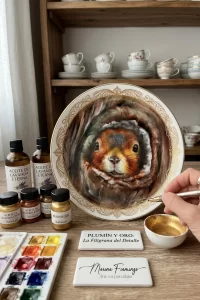
Absolutely! In fact, the most lifelike portraits are those where the artist adjusts the brushstroke according to what their eye perceives at the moment, achieving a naturalness that mechanical methods cannot replicate.
Which brushes are best for this technique?
I recommend brushes with good spring and impeccable tips. Natural hair brushes are ideal because they respond immediately to your hand, facilitating fluidity in your design.
Display currency was reset to the store default because the selected currency would show amounts as zero. Please update the exchange rate and Number of Decimals in Multi Currency settings.