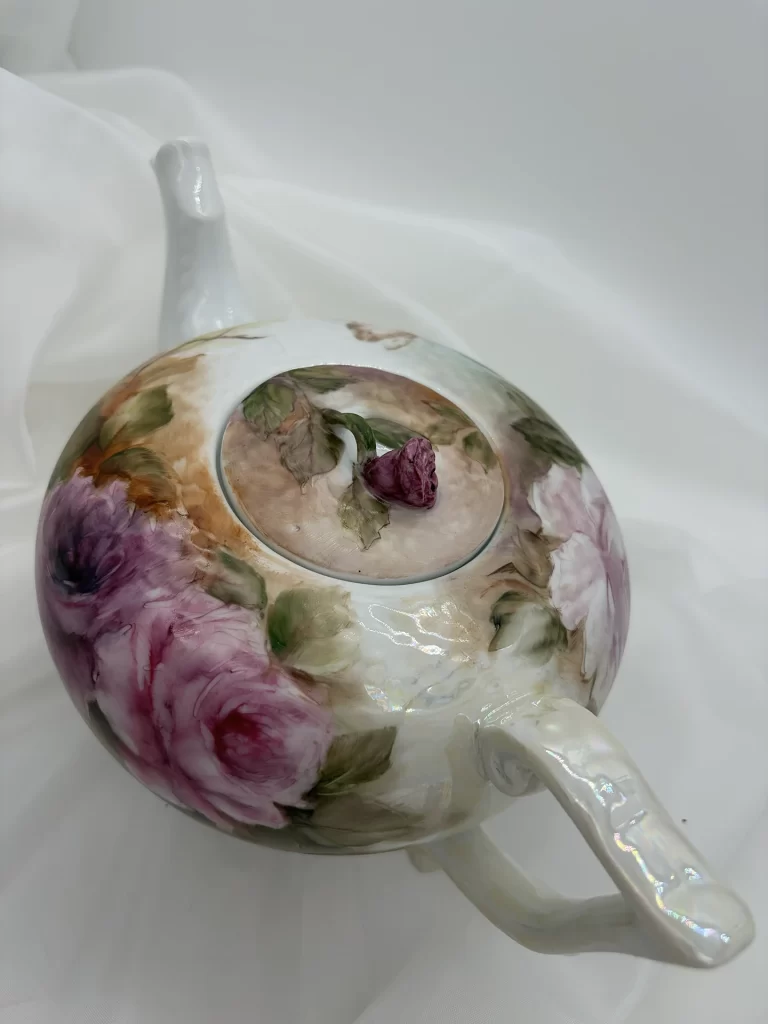
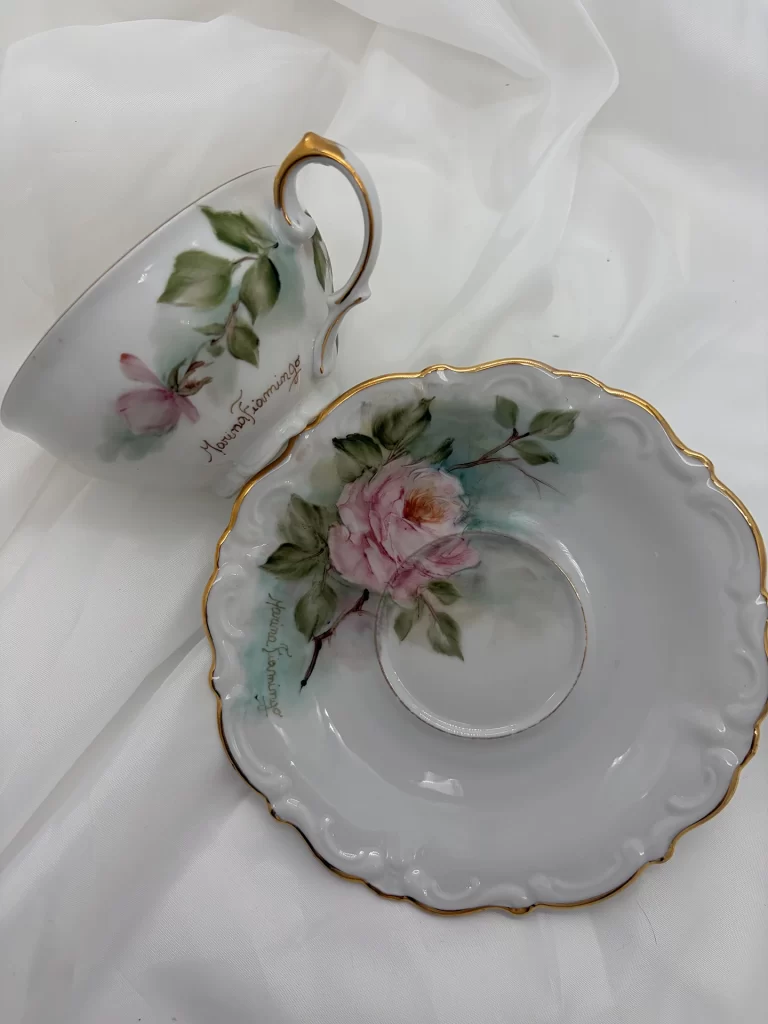
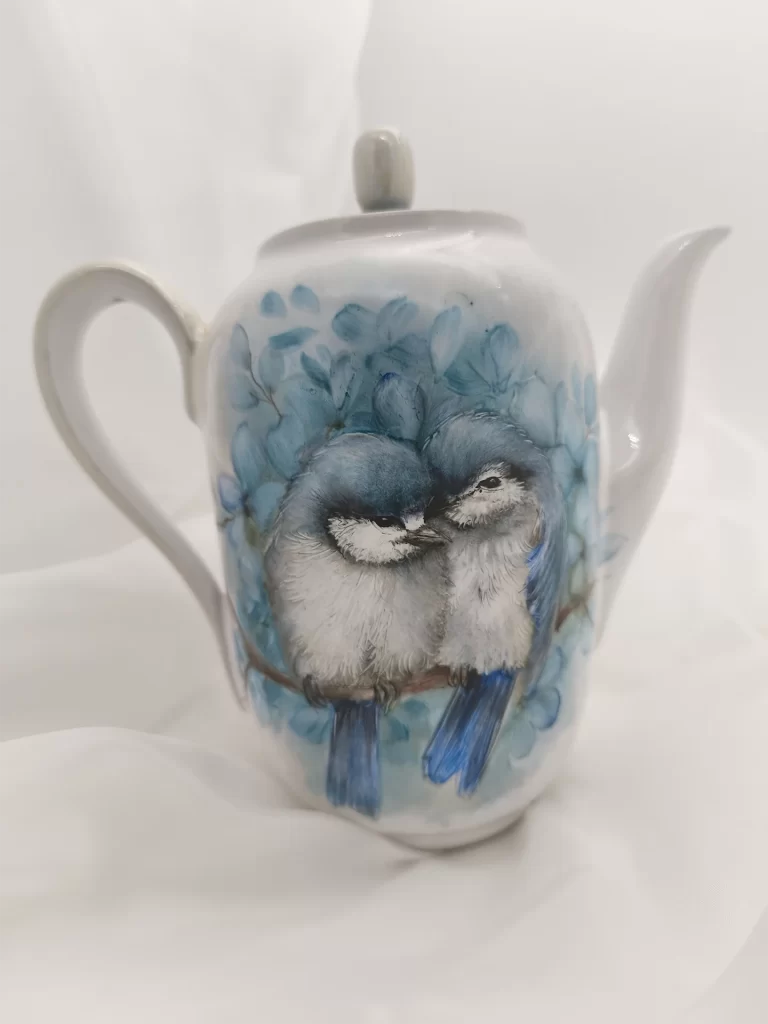
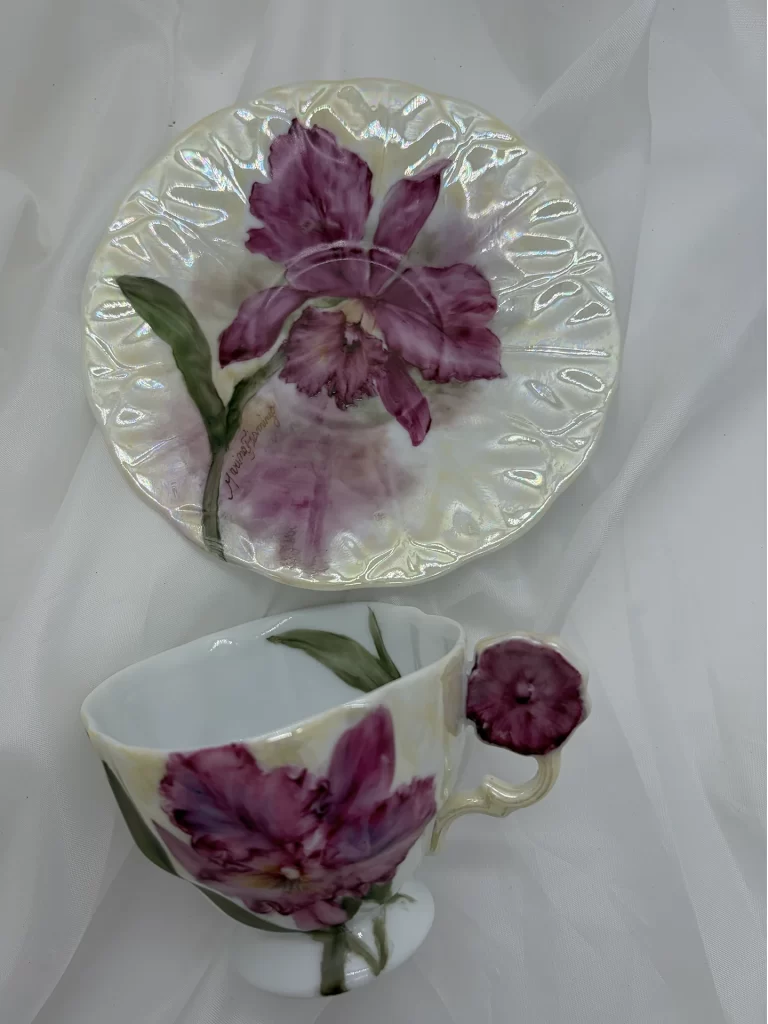
Can we elevate porcelain to the level of fine jewelry? Let's explore the ultimate distinction that transforms a work of art into a timeless collector's item, where the brilliance of metal embraces the purity of porcelain.
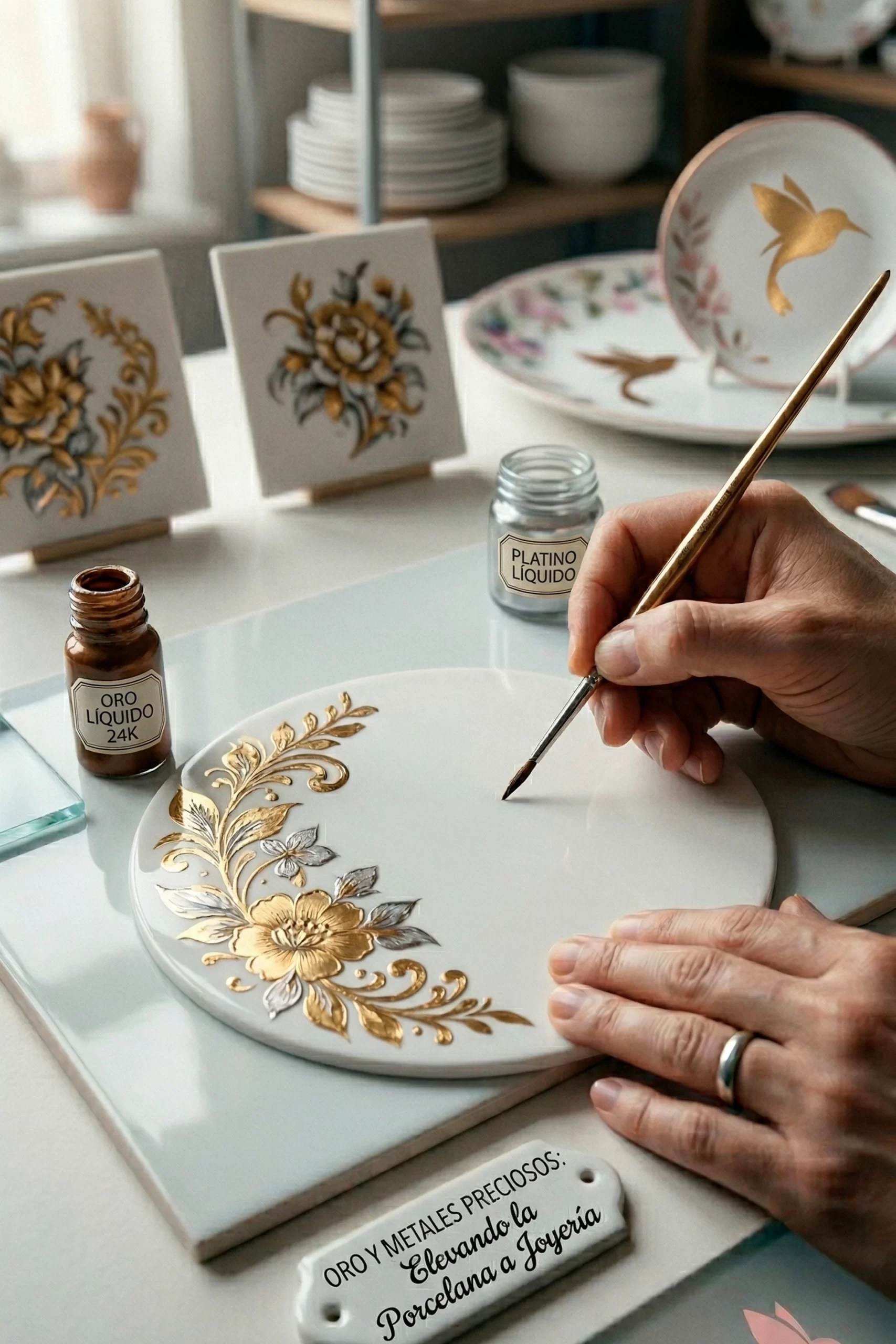
The use of precious metals in porcelain painting is the finishing touch that elevates a creation from the everyday to the extraordinary. Applying gold, platinum, or silver is not just a decorative element; it's a statement of value and durability. Just as with the pure mineral pigments, The metal must be of the highest quality so that, after firing, it reveals its full splendor. At the Atelier, we understand that every stroke of gold is an investment in beauty, transforming the ceramic into a vitrified jewel that will last for generations. Working with precious metals requires a jeweler's mindset. Liquid gold, for example, is a suspension of real gold particles in resinous oils that, before firing, appears as a dark brown, dense liquid. It is only through heat that the carrier evaporates and the metal fuses with the glaze, revealing that intense, luxurious yellow brilliance. This transformation is one of the most magical moments in the creative process, demonstrating that the patience that we cultivate It has a bright and tangible reward.
The Application of Liquid Gold and Luster
Precision is essential when working with metals. Due to their high cost and chemical behavior, there is no room for error. We use exclusive precision brushes For gold, we must ensure there is no contamination from other pigments. Whether you're aiming for a subtle border or an intricate freehand design, the brush load must be precise. Liquid gold glides onto porcelain with a unique fluidity, demanding a steady hand and a clear vision of the final composition before the metal touches the plate.
Platinum and White Metals: Contemporary Elegance
For those seeking a more modern or minimalist aesthetic, platinum and silver are exceptional choices. These white metals offer a mirror-like silvery shine that stands out beautifully against white porcelain or dark backgrounds. In the workshop, we explored how these metals can complement realism techniques, such as... oil painting in black and white, adding metallic highlights that catch the eye. The versatility of precious metals allows us to play with light in ways that pigment alone cannot achieve.
The Trial by Fire: The Firing of Metals
The burning of precious metals generally occurs at a lower temperature than the base pigments, around 700°C to 780°C. This process is critical: too low a temperature will prevent the metal from adhering properly, and too high a temperature can "burn" it, dulling its shine. This is where the discipline of observation The technique becomes indispensable. Proper firing ensures that the gold is resistant to wear and tear over time, becoming permanently integrated into the molecular structure of the porcelain.
Exclusivity and Preservation of the Author's Work
A piece decorated with gold is, by definition, an exclusive work. The intrinsic value of the material adds to the artistic value of the execution, creating a heirloom. To preserve this luster, we recommend special care, avoiding abrasives that could wear down the metallic layer over time. Ultimately, a piece that incorporates precious metals, like those we explore in our healing gallery, It is a testament to the fact that porcelain art knows no limits when seeking absolute excellence.
FAQs about Gold and Precious Metals
Find here the answers to the most frequently asked questions I receive about this publication.
Yes, the gold used is real 18k to 24k gold that has been chemically processed to suspend it in a base of resinous oils. This liquid state allows it to be applied with a brush, and it is the heat of the oven that removes the oils, leaving a pure layer of precious metal permanently adhered to the surface of the porcelain.
At what temperature does gold burn on porcelain?
Gold typically burns in a temperature range between 720°C and 780°C, depending on the type of ceramic support. It is essential to perform this firing separately or as the final stage, since mineral pigments typically require higher temperatures. Precise control of the furnace temperature curve is vital to ensure that the gold maintains its mirror-like luster and does not become dull.
Can you put gold-plated items in the microwave?
No, pieces decorated with gold, platinum or silver should never be put in the microwave. Because they are real metals, they act as electrical conductors and can generate sparks that damage both the piece and its decoration. Porcelain with precious metals is a luxury work of art that requires careful and traditional handling.
How do you clean gold on porcelain so that it doesn't lose its shine?
The best way to clean gold is with a soft cloth, warm water and neutral soap, avoiding the use of abrasive sponges or automatic dishwashers. Over time, gold may show light fingerprints or dust, but gentle cleaning will restore its original shine. Treating the piece like a precious jewel ensures the metal will remain pristine for decades.
Display currency was reset to the store default because the selected currency would show amounts as zero. Please update the exchange rate and Number of Decimals in Multi Currency settings.