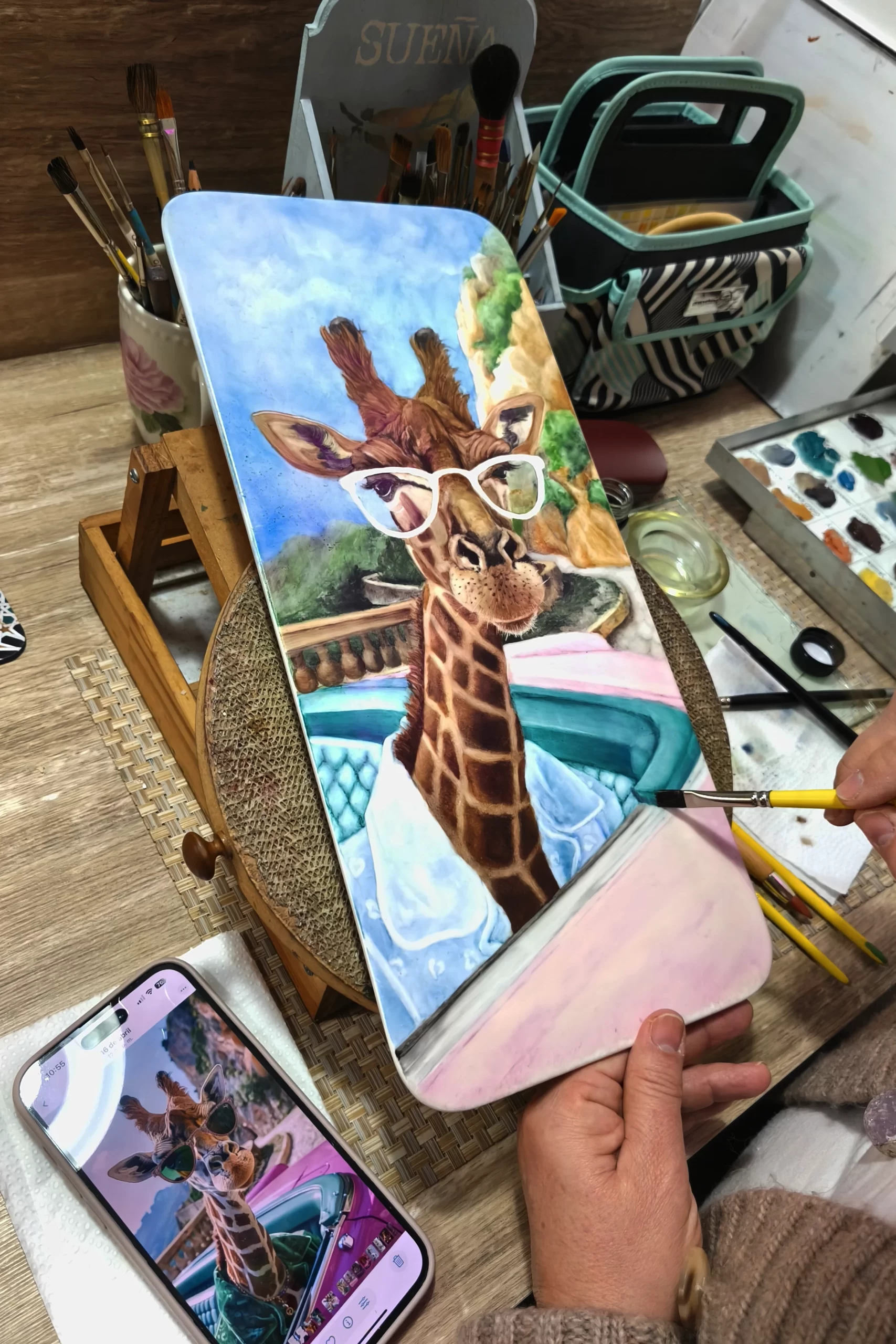
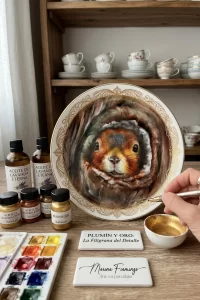
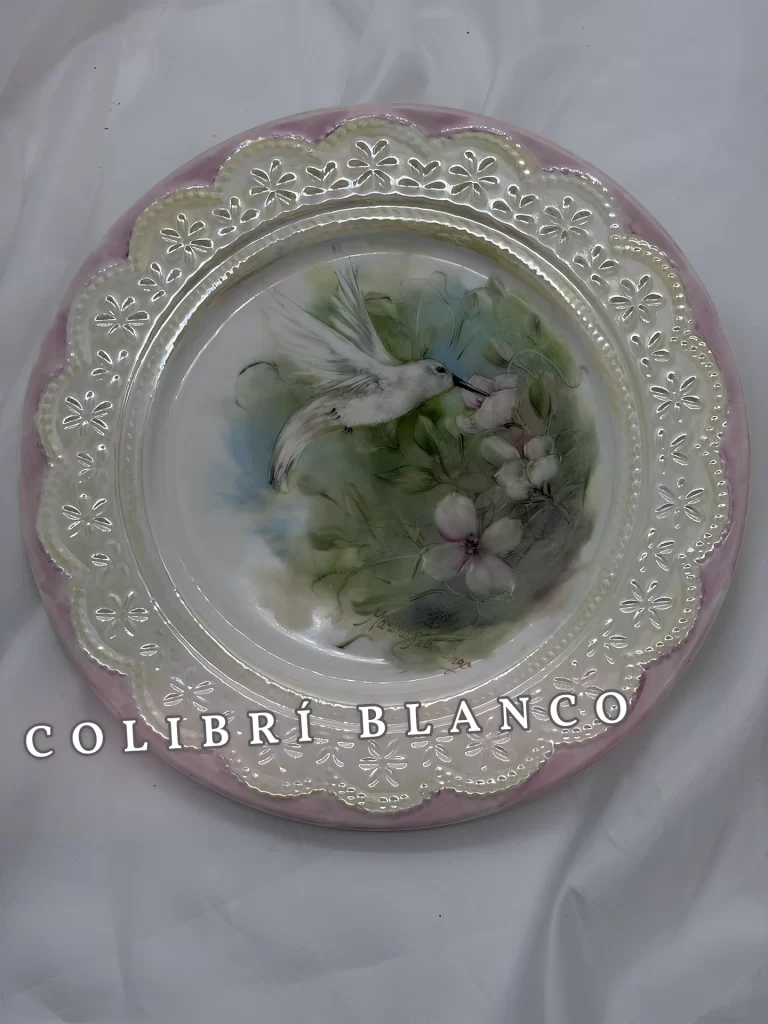
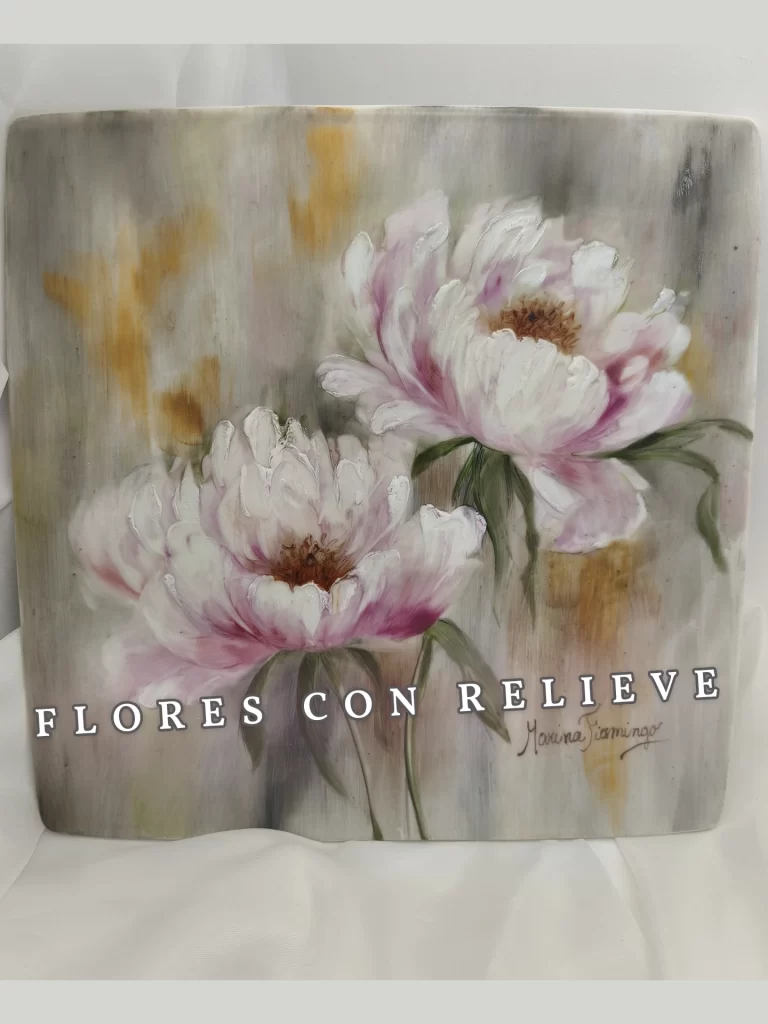
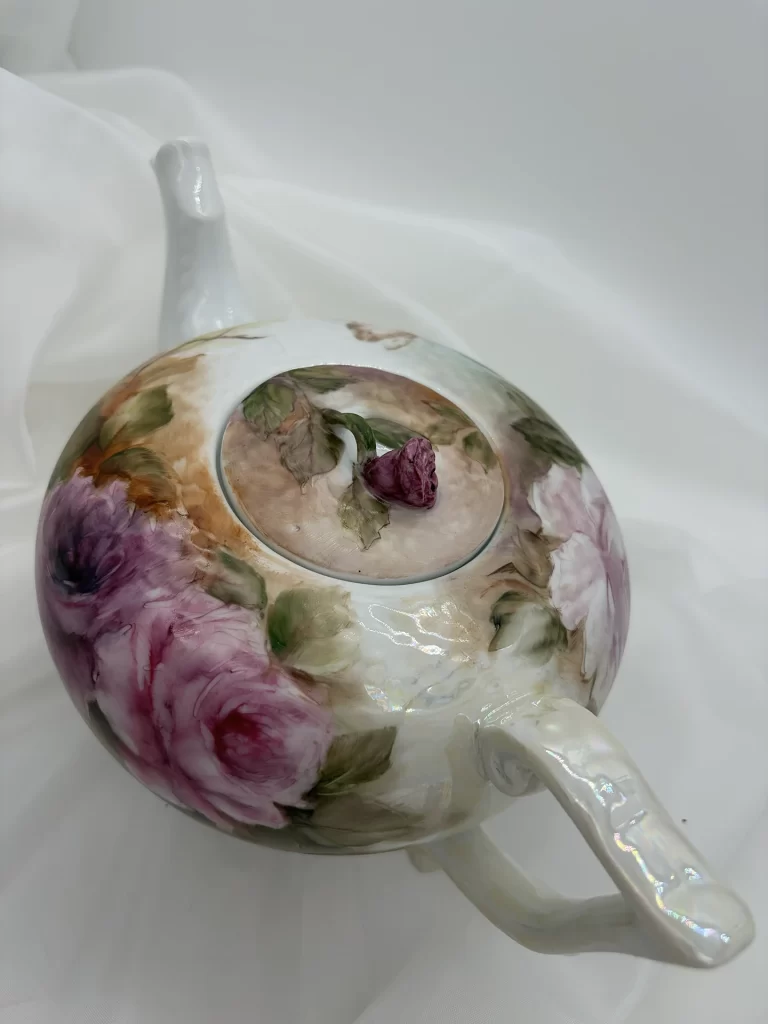
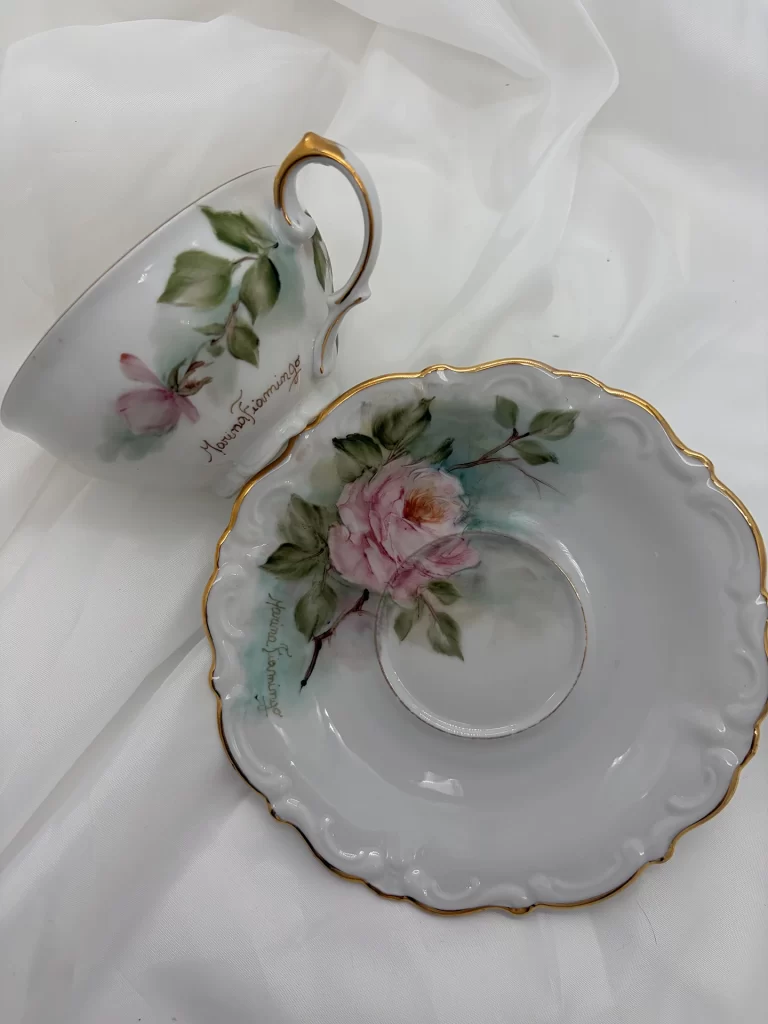
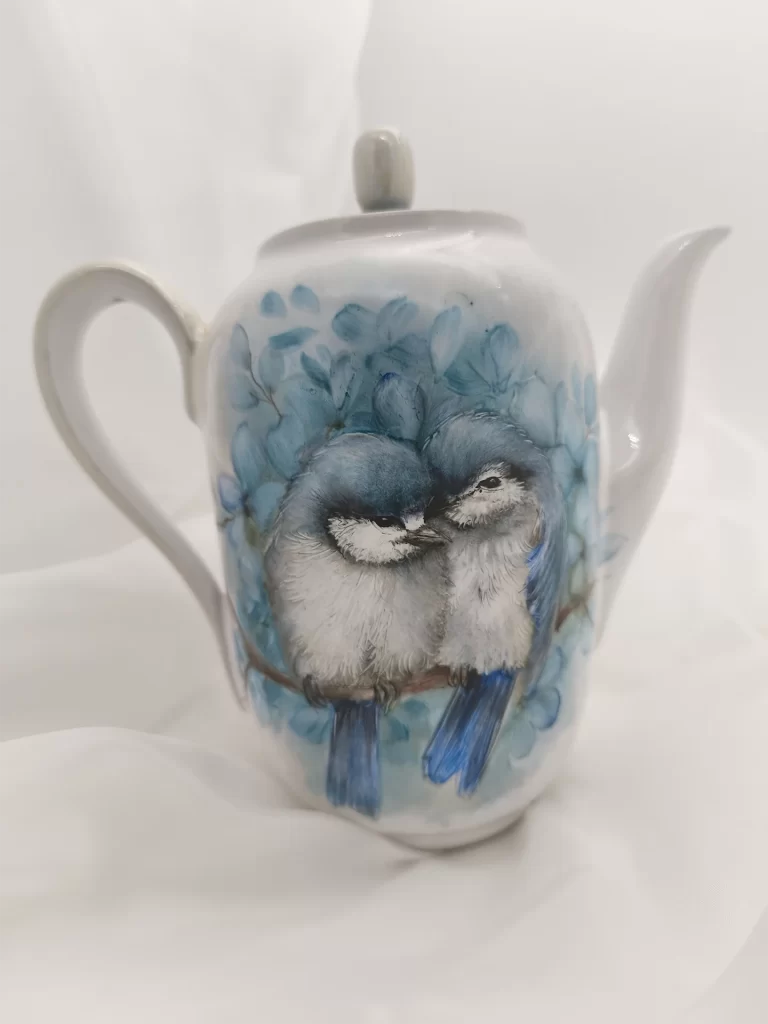
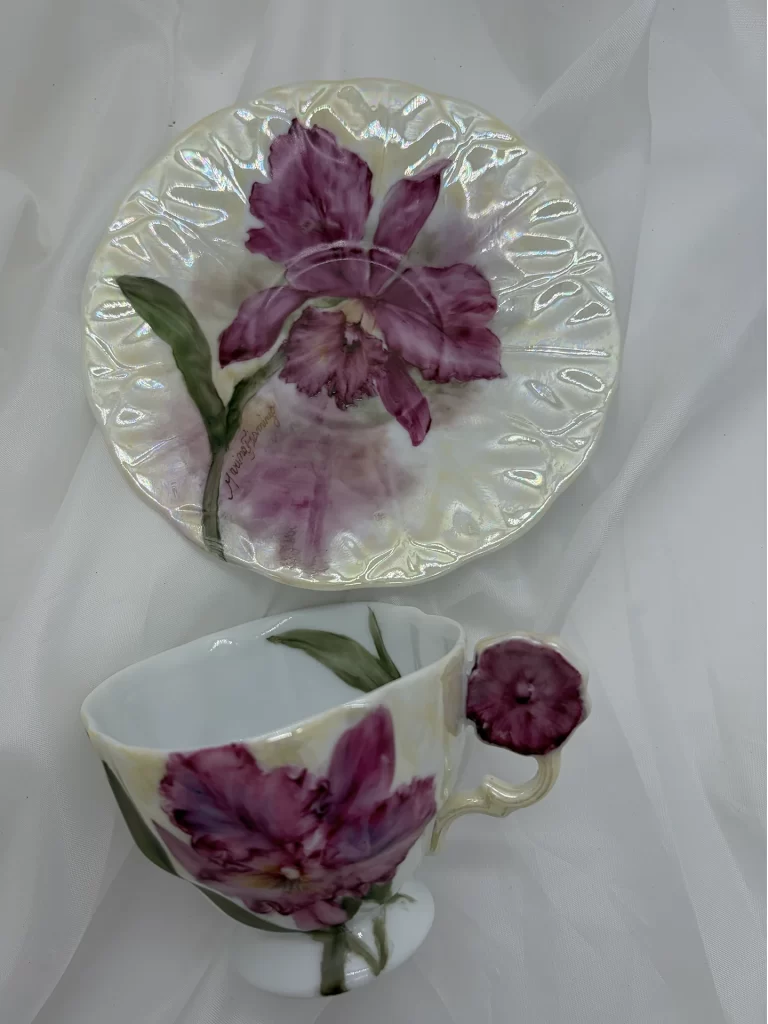
Painting porcelain is, above all, an exercise in surrendering to time. Unlike other disciplines, the final result here is not immediate; it requires multiple days of work and the obligatory passage through the heat of the kiln. I have learned that this waiting is not a void, but an invisible ingredient that lends maturity to the work. As happens in the process of two burnings of the portrait, Every minute of patience translates into a depth of color that haste could never achieve.
The Dialogue between the Artist and the Kiln
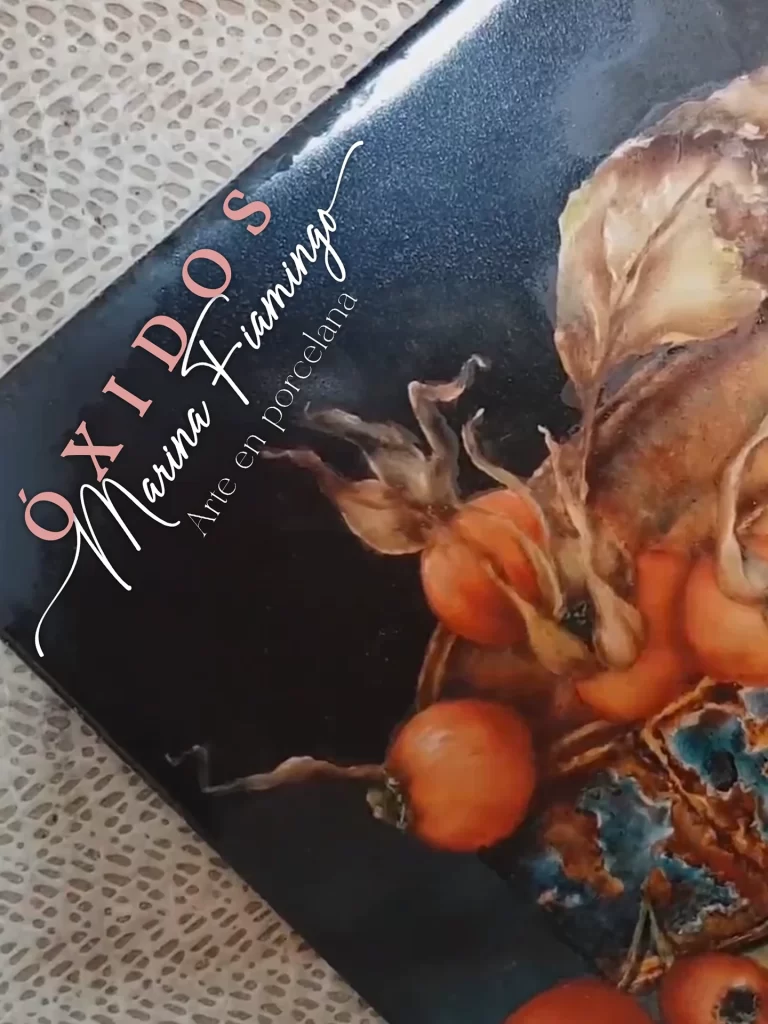
Accepting that we don't have absolute control is one of the most humbling lessons this art offers. We can observe every detail and apply the technique of oil in mole With perfection, but once the oven door closes, the art of waiting begins. That interval of time is a metaphor for life itself: we do our best and then trust the process. This philosophy has taught me to transmute anxiety into serene anticipation, valuing each stage of creation equally.
The Maturation of the Creative Idea
Often, inspiration needs time to settle, just like pigments on a plate. Patience in artistic composition allows us to see mistakes before they become permanent and adjust our perspective on the blank canvas. When I look at my work... black and white realism, I remember that many of those shadows were the product of a reflective pause, of knowing when to put down the brush to let the idea finish forming in the mind before executing it.
Calm in Freehand Drawing
The precision that the freehand painting It is incompatible with urgency. When the pulse quickens with haste, the stroke loses its soul. Cultivating patience as a philosophy of life in the studio allows me to enter a state of "flow" where chronological time disappears. This calm is what allows details as subtle as the sparkle in a gaze or the texture of a fabric to come to life, demonstrating that quality is a direct result of dedication without a stopwatch.
The Workshop as a Refuge from the Present
Today more than ever, the act of observing and painting becomes a refuge from digital immediacy. I encourage my students to view each painting session not as a race toward the finished piece, but as a moment of absolute presence. In the end, what remains is not just a decorative object, but a record of time lived with awareness. Patience with porcelain restores our ability to enjoy the process, reminding us that the most beautiful things in life always require time to be fired.
FAQs about the Art of Waiting
Find here the answers to the most frequently asked questions I receive about this publication.
How long does it take to complete a complex porcelain piece?
A complex project can take anywhere from several days to weeks, depending on the number of burns and the level of detail required. In Marina Fiamingo's realism, time is not measured in hours, but in achieving the desired atmosphere, respecting the drying times of the oils and the cooling cycles of the oven.
Why is porcelain painting considered a therapeutic activity?
It is considered therapeutic because it forces the mind to anchor itself in the present and regulate the internal rhythm through breathing and pulse. The patience required to work with delicate materials helps reduce stress levels, turning the workshop into a space of active meditation where the focus is on creation and observation.
What happens if you try to speed up the drying or burning process?
Accelerating natural processes in porcelain often leads to technical failures such as bubbles in the paint, detachment, or breakage due to thermal shock. The discipline of waiting guarantees the physical integrity of the piece and the purity of the pigments, ensuring that the work maintains its brilliance and adherence through the years.
How does patience influence the oil painting technique on mole?
In the oil painting technique, patience is vital to work the relief layers without displacing the base material. Being a vehicle with more body, it requires smooth and slow handling to achieve the light and shadow transitions that define the volume, something that is only achieved when the artist allows himself to work without the pressures of time.
Display currency was reset to the store default because the selected currency would show amounts as zero. Please update the exchange rate and Number of Decimals in Multi Currency settings.